
A first look at CQFill, a Polyfill for CSS Container Queries
A rather geeky/technical weblog, est. 2001, by Bramus

One of the albums that made it into my “2020 – Best Of” playlist on Apple Music is this lesser known gem by BRONSON. For the fans of Apparat, The Blaze, Bicep, etc.
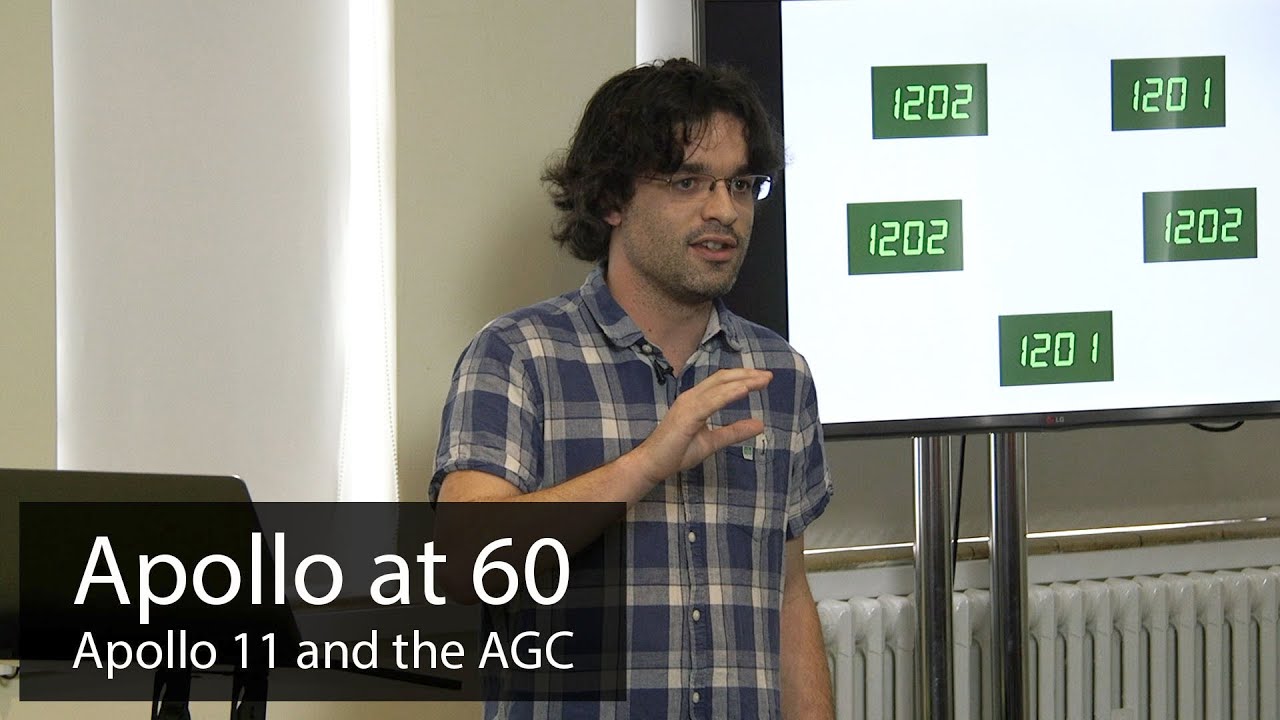
Half a century ago, on 20 July 1969, Neil Armstrong was in the final stages of the lunar descent, just a few thousand feet above the surface, when suddenly his on-board computer indicated a critical alarm. For three nail-biting seconds it looked as if the mission would have to be aborted. However, Armstrong was given …
Continue reading “Light Years Ahead | The 1969 Apollo Guidance Computer”

In JavaScript one of the most important data types is Object. Sometimes we want to have more control over certain objects, such as being able to listen to who is reading the object property or updating. One of the best ways to control an object is with a Proxy. You can do a lot of …
Continue reading “A Beginner’s Guide To Proxies in JavaScript”
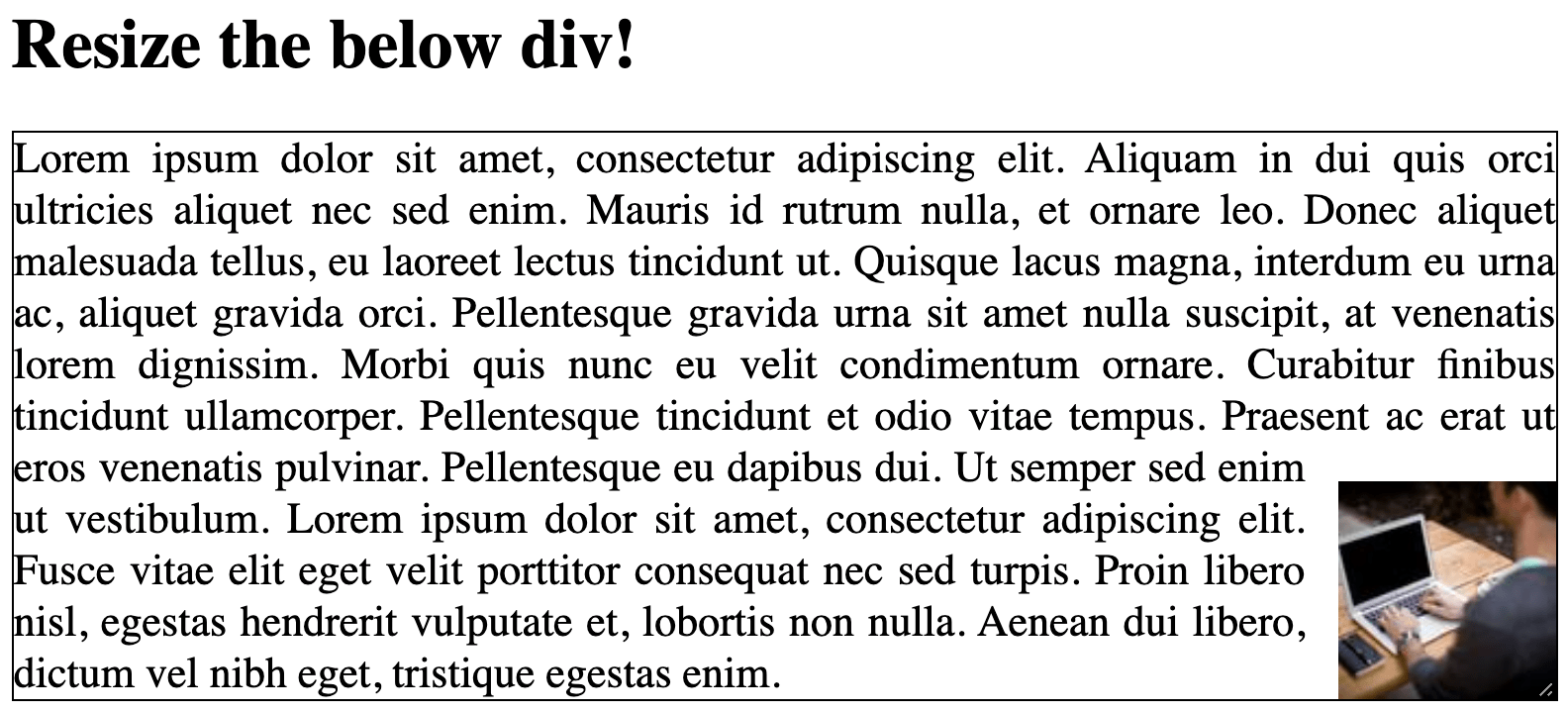
Temani Afif shares this clever trick to float an element to the bottom corner of a container. The solution is threefold: Float a full-height wrapper (which contains the image) to the right Use flexbox to place the image at the bottom inside that wrapper Use shape-outside to clip the wrapper Clever! Float an Element to …
Continue reading “CSS: Float an Element to the Bottom Corner”

Google Cloud Platform has launched official support for PHP Cloud Functions using Functions Framework for PHP. With it, an HTTP Cloud Function becomes as simple as this: use Psr\Http\Message\ServerRequestInterface; function helloHttp(ServerRequestInterface $request): string { $queryString = $request->getQueryParams(); $name = $queryString['name'] ?? $name; return sprintf('Hello, %s!', $name); } Functions that respond to Cloud Events can work …
Continue reading “PHP Cloud Functions on Google Cloud Platform with “Functions Framework for PHP””

Andrea Giammarchi: After reading yet another blog post about JS classes being “just sugar for prototypal inheritance”, I’ve decided to write this post to help clarifying, one more time, why this statement is misleading; a post that hopefully explains what’s the difference and why it matters to understand it. I also used to say this …
Continue reading “JavaScript Classes are not “just syntactic sugar””

Oleksii Trekhleb has implemented the Seam Carving algorithm in JavaScript. With this article I want to do three things: Provide you with an interactive content-aware resizer so that you could play around with resizing your own images Explain the idea behind the Seam Carving algorithm Explain the dynamic programming approach to implement the algorithm (we’ll …
Continue reading “Seam carving: content-aware image resizing … in JavaScript”
google-webfonts-helper — A Hassle-Free Way to Self-Host Google Fonts
To self-host Webfonts from Google Fonts — which you should — there’s google-webfonts-helper which you can use. They offer the entire Google Fonts catalog and provide a way to easily download the fonts and accompanying CSS snippets you need. google-webfonts-helper → Via Sebastian

Good slidedeck by Benno Lœwenberg: We all are only sometimes abled. Therefore accessible solutions benefit everybody. Treating accessibility not just as an afterthought to comply with regulations, but as an essential UX factor right from the start can lead to building better products and services. This talk is about how to lay an accessible foundation …