Synchronizing Fireflies Visualizer

If you watch Fireflies closely, some species will sync up their flashing to eventually blink as a group. Pretty mesmerizing stuff. But how to they do it? So, how do thousands of fireflies pick a leader to follow, a maestro to keep their flashing in time? The answer, the scientists found, is simple: They don’t. …

Style Pseudo-elements with Javascript Using Custom Properties

Over at CSS { In Real Life }, author Michelle Barker has detailed a clever way to style pseudo-elements (such as ::before and ::after) through JavaScript. In Javascript we have a few ways of selecting elements, but we can’t directly target pseudo-elements. […] Luckily, CSS custom properties can help. 👉 If you set a custom …

Debug/Inspect z-index stacking with the “CSS Stacking Context Inspector” DevTools extension

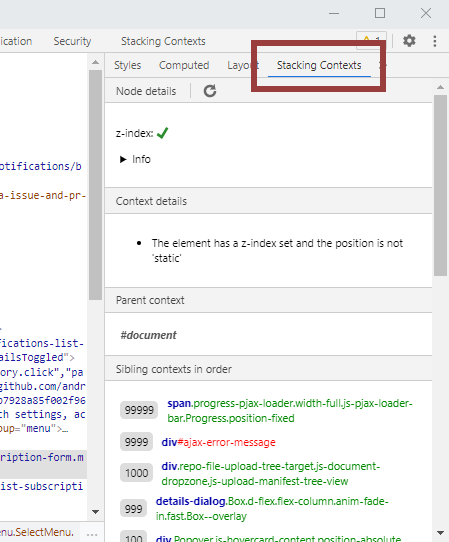
The Stacking Contexts Inspector is a DevTools extension for Google Chrome that allows you to analyse the stacking contexts available on a webpage. This extension will add a new panel to the DevTools and a new sidebar on the elements panel. Handy for when you’re having stacking issues. CSS Stacking Context Inspector →Stacking Contexts Inspector …

W3C WAI Curricula on Web Accessibility

Over at the W3C Web Accessibility Initiative (WAI) website you can find an extensive curricula on Web Accessibility This resource provides teaching modules to help you create courses on digital accessibility, or to include accessibility in other courses. The modules cover accessibility foundations that apply broadly, and specific skills for developers, designers, content authors, and …

Integrate Custom Elements into Forms with ElementInternals

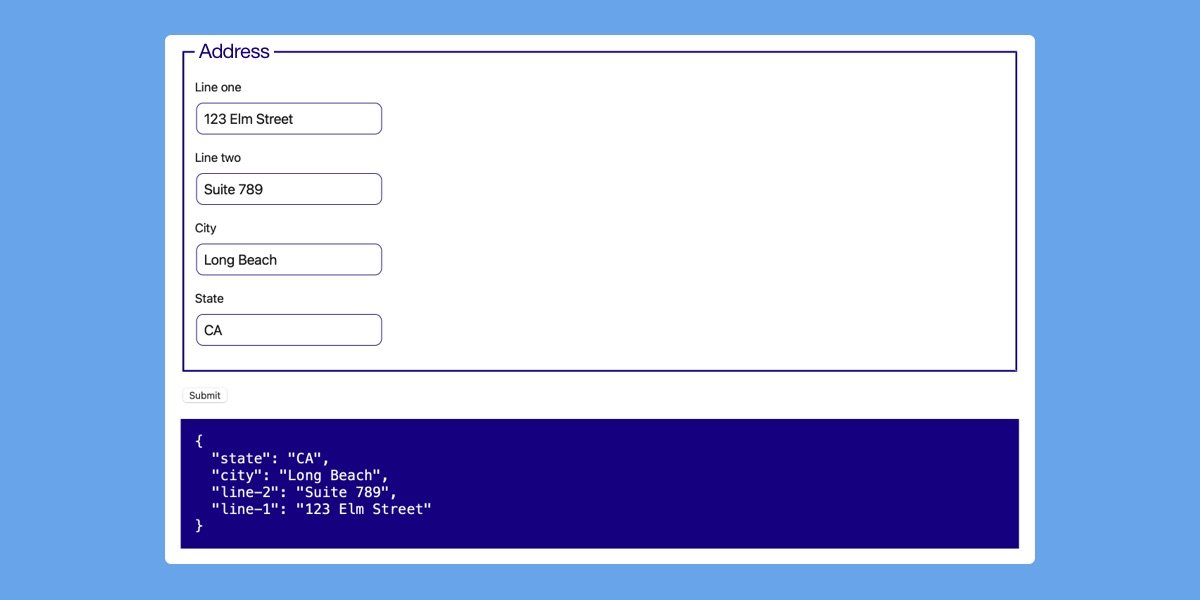
Over at CSS-Tricks, Caleb Williams digs into ElementInternals The ElementInternals standard is a very exciting set of features with a very unassuming name. Among the features internals adds are the ability to participate in forms and an API around accessibility controls. As you can see in the demo below his <rad-input> does exactly that. See …

quicktype — Convert JSON into gorgeous, typesafe code in any language.

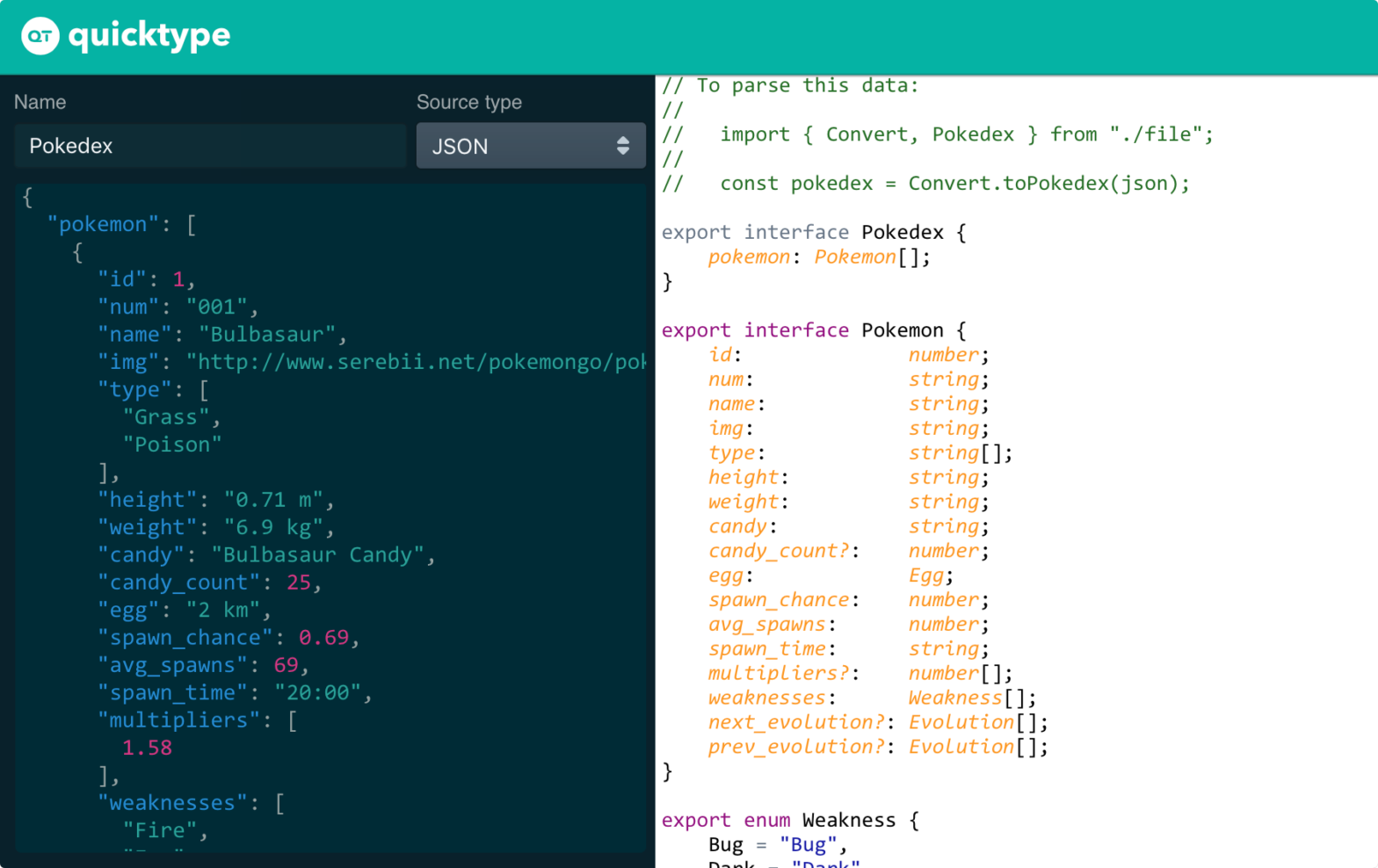
Generate models and serializers from JSON, schema, and GraphQL for working with data quickly & safely in any programming language. Just paste in some JSON object, choose your output language, and voila! quicktype — Convert JSON into gorgeous, typesafe code in any language →

How the Web Audio API is used for browser fingerprinting

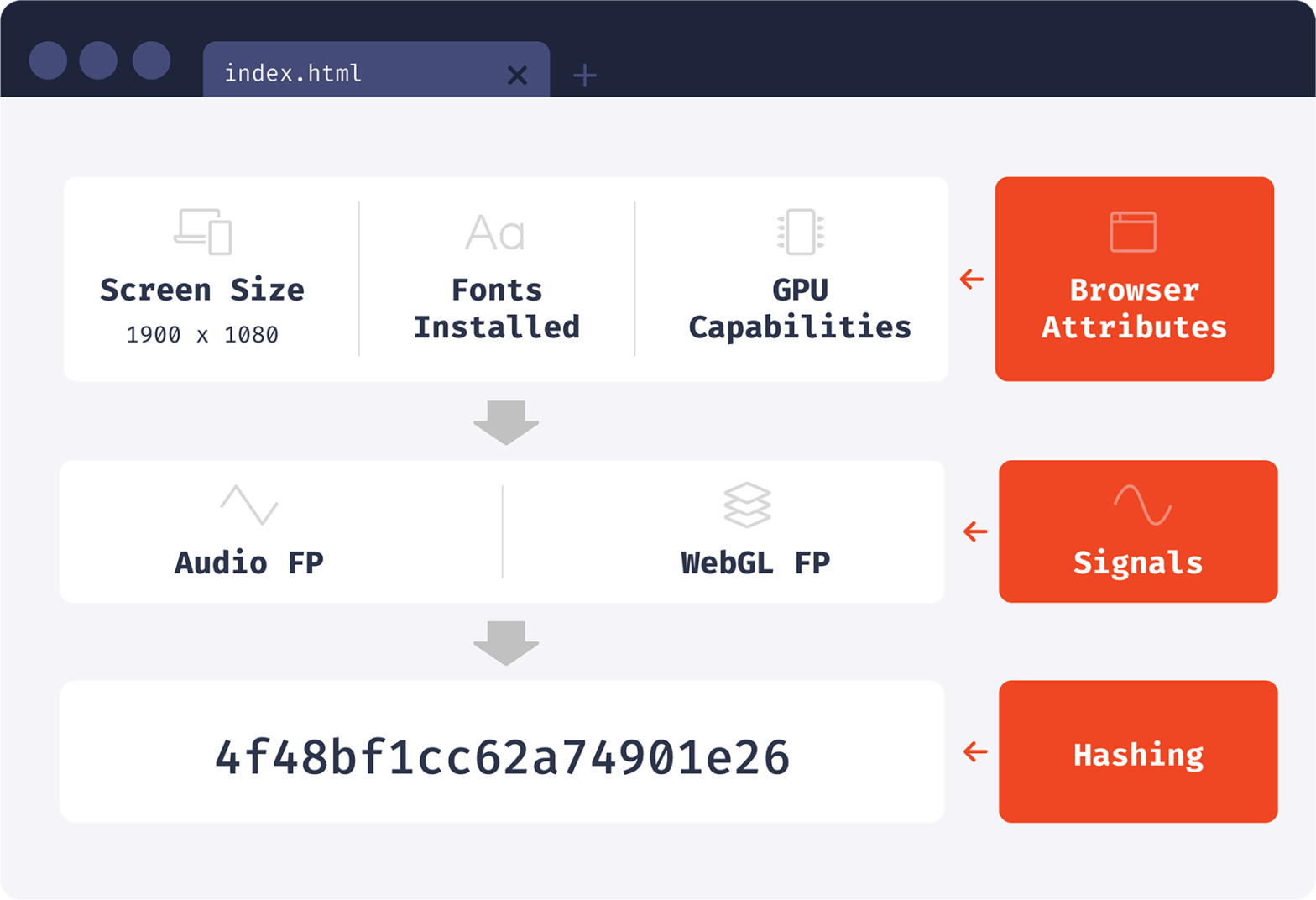
When generating a browser identifier, we can read browser attributes directly or use attribute processing techniques first. One of the creative techniques that we’ll discuss today is audio fingerprinting. Using an Oscillator and a Compressor they can basically calculate a specific number that identifies you. Every browser we have on our testing laptops generate a …

CSS Logical Properties Are the Future of the Web & i18n

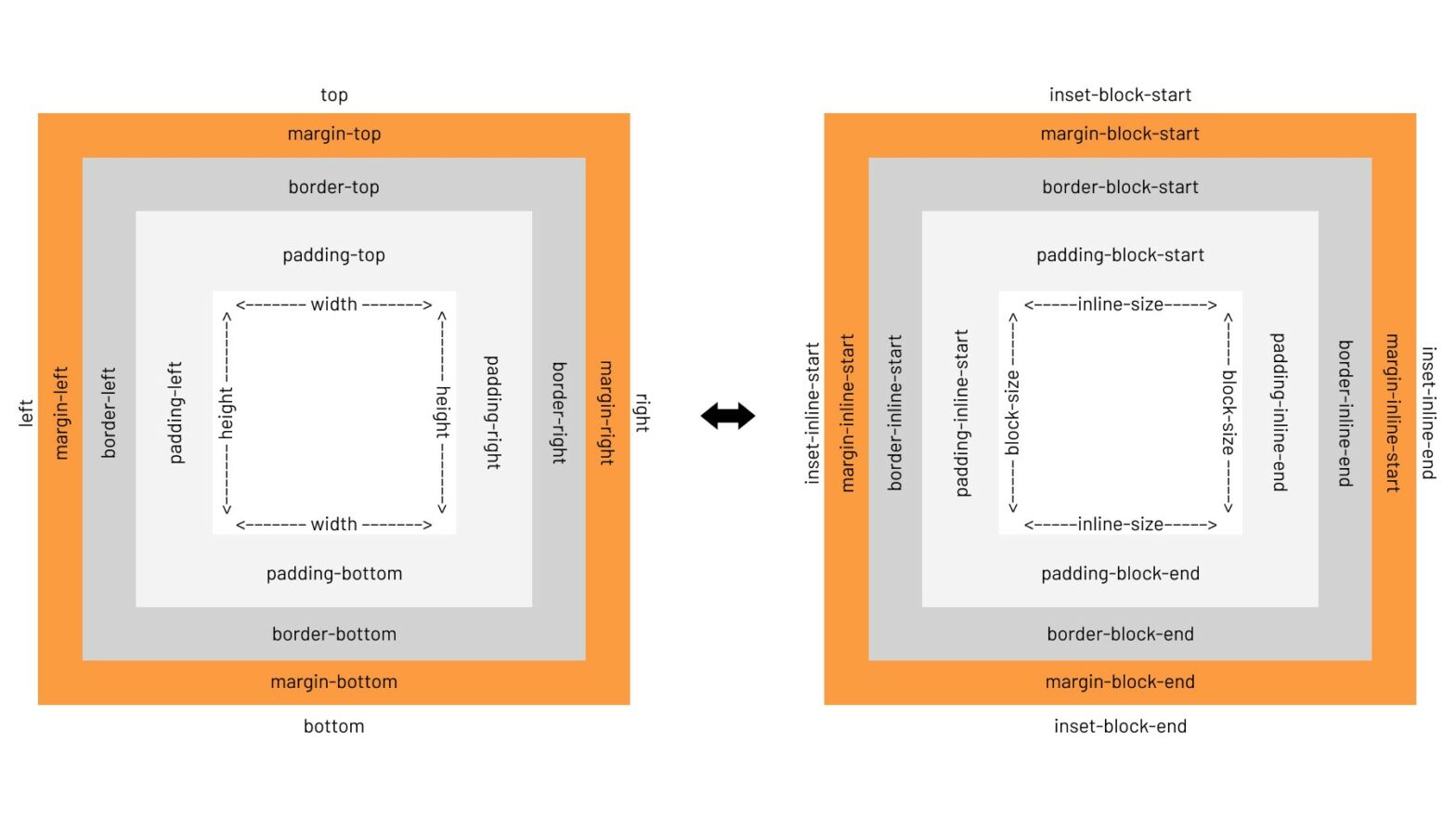
Linked below is yet another article urging one to use CSS Logical Properties. What caught my eye in this one is the fact that author Daniel Yuschick reworked his personal website to use them, as shown in this video below. Impressive! CSS Logical Properties Are the Future of the Web & I18N → In case …

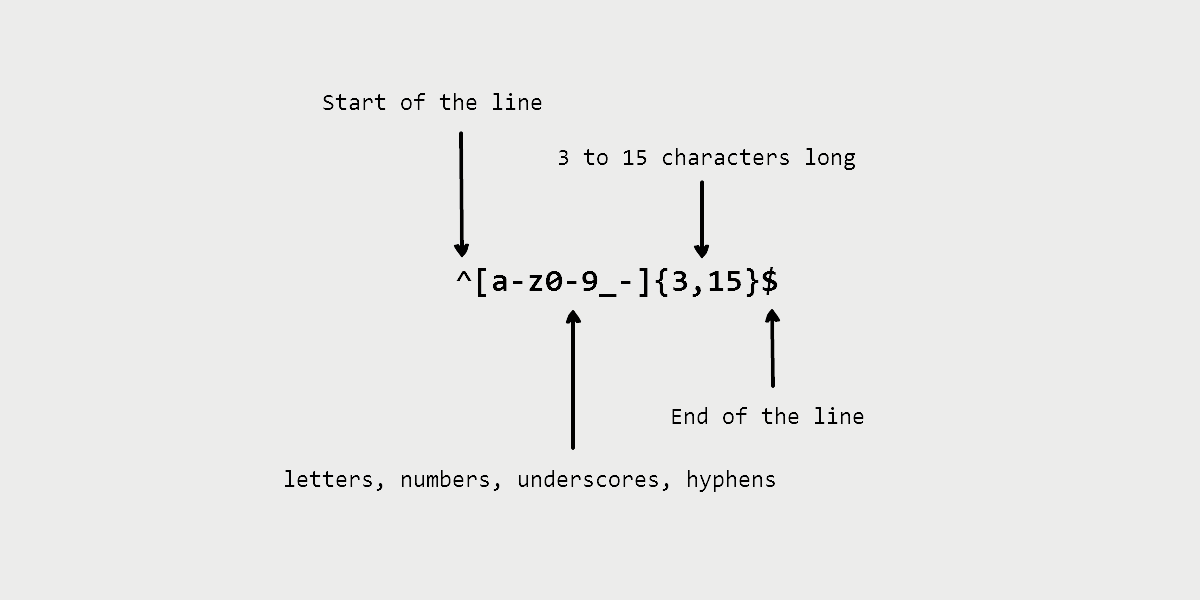
Automatically Generate Regular Expressions from User Input with grex

grex is a library as well as a command-line utility that is meant to simplify the often complicated and tedious task of creating regular expressions. It does so by automatically generating a single regular expression from user-provided test cases. The resulting expression is guaranteed to match the test cases which it was generated from. As …

Highlight columns in HTML tables with <colgroup>

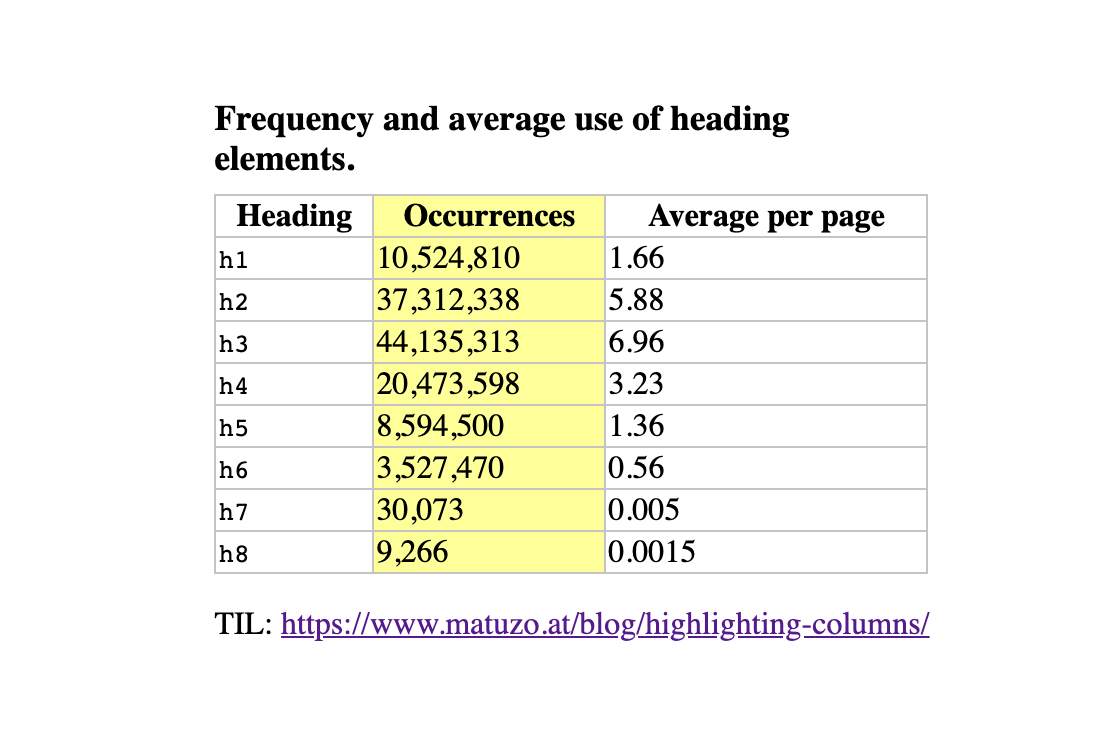
Interesting find by Manuel Matuzovic: The other day I looked up colgroup on MDN […] the demo at the beginning of the page caught my attention. The author adds a class to the col element, which does nothing with the col element itself, at least not visually, because the element doesn’t get rendered on the …