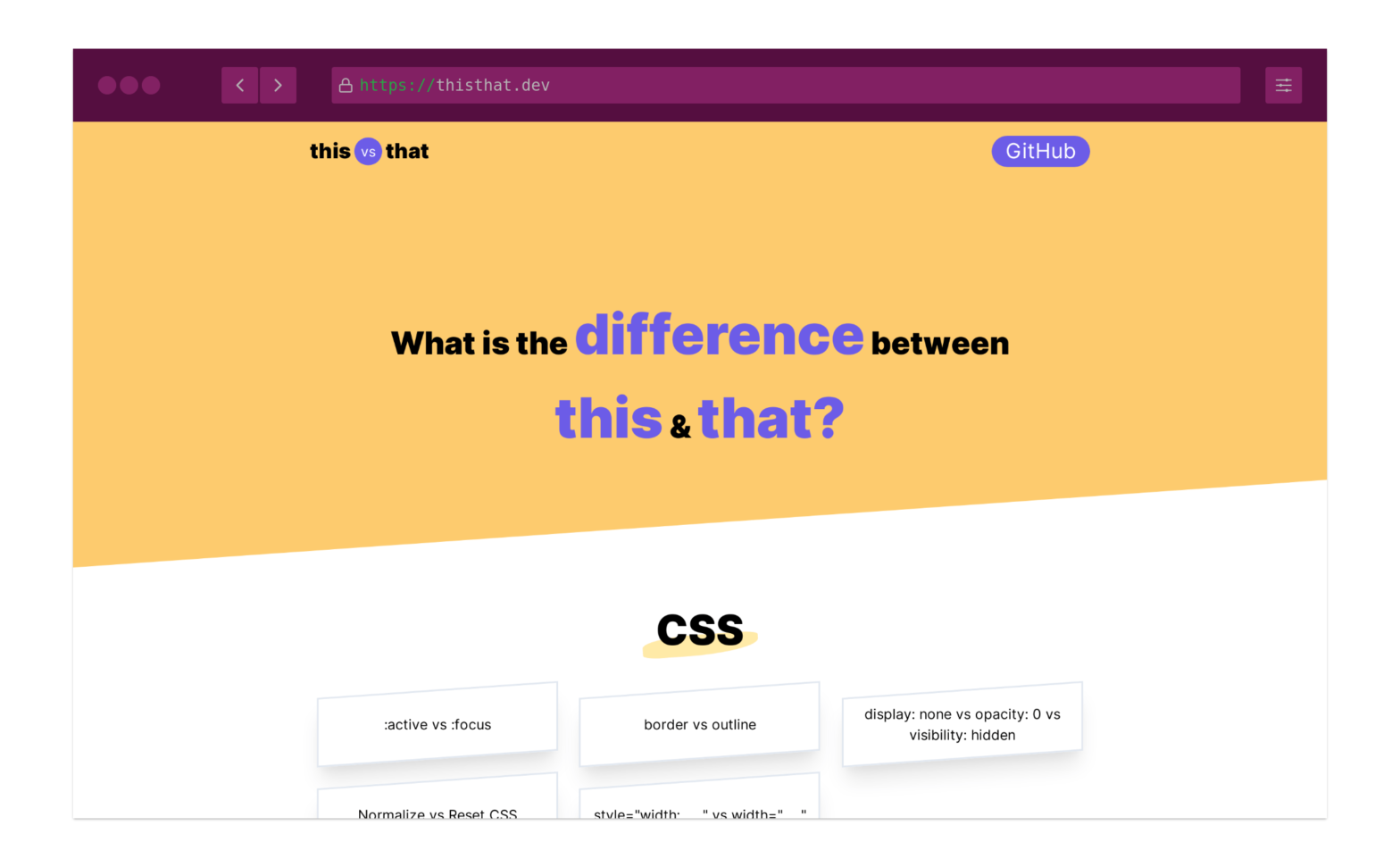
Great site that explains the difference between not-so-different frontend terms. Think of things like: CSS display: none; vs [hidden] DOM currentTarget vs target HTML alt vs title … this vs that &rarr
A rather geeky/technical weblog, est. 2001, by Bramus
Great site that explains the difference between not-so-different frontend terms. Think of things like: CSS display: none; vs [hidden] DOM currentTarget vs target HTML alt vs title … this vs that &rarr

Pawel Grzybek has set up a workflow that uses GitHub Actions’ Scheduled Events to automatically update his profile README.md. It runs every 6 hours and pulls in his RSS feed to populate the README.md import fs from "fs"; import fetch from "node-fetch"; import parser from "xml2json"; const FEED_URL = "https://pawelgrzybek.com/feed.xml"; const TAG_OPEN = `<!– FEED-START …
Continue reading “Automatically update your GitHub readme through GitHub Actions”
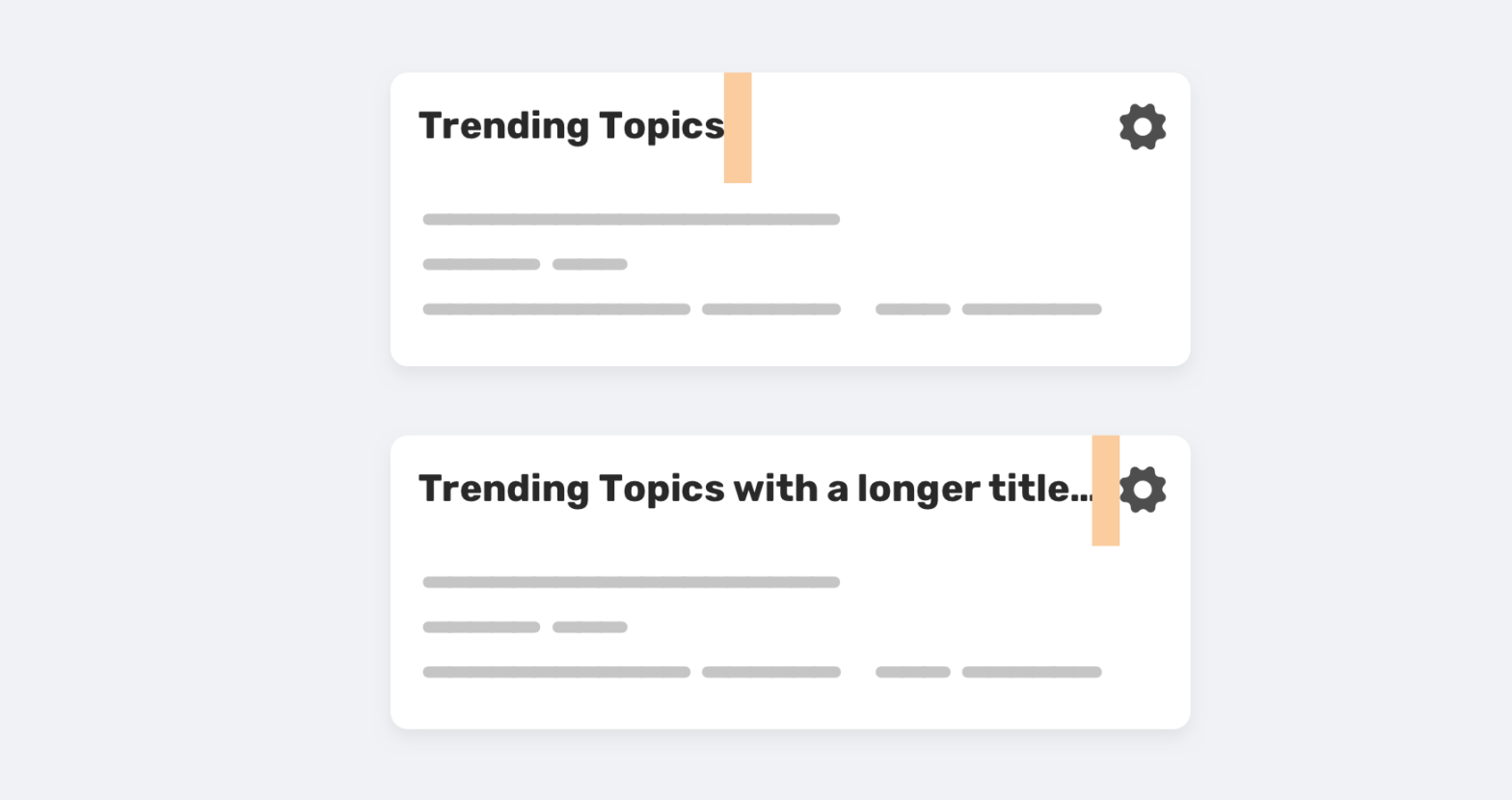
Some nice examples of defensive programming in CSS by Ahmad Shadeed. The just in case mindset aims to educate designers and developers to think ahead of time of some possible failure scenarios for a component. I called it just in case because that’s literally what it means. Just in case the title got longer, do …
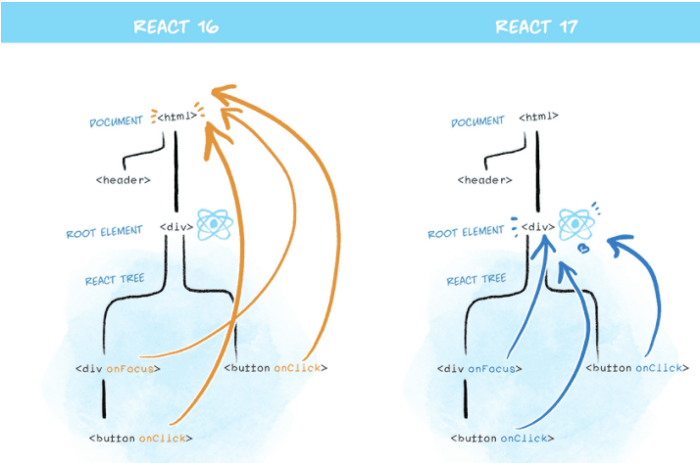
No new features, but a lot of changes, paving the way for future releases. The React 17 release is unusual because it doesn’t add any new developer-facing features. Instead, this release is primarily focused on making it easier to upgrade React itself. We’re actively working on the new React features, but they’re not a part …
closest() Method to Capture a “Click outside” an Element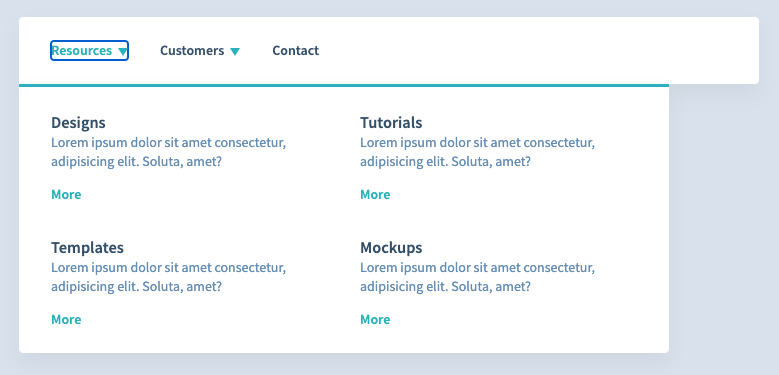
In Practical Use Cases for JavaScript’s closest() Method, Andreas Remdt talks about some nice use cases that use Element.closest(). I especially like this example with a menu. Click on one of the links and it will show the menu which has the class menu-dropdown. Clicking outside said menu will close it. It’s that latter one …
Continue reading “Using JavaScript’s closest() Method to Capture a “Click outside” an Element”
Sara Vieira (@NikkitaFTW) published her book “The Opinionated Guide to React”. It’s 190 pages of React Recipes and Code Examples. This book is my personal map of the tips, power-ups and not-so-obvious solutions to common questions and problems that I’ve come across during 4 years of React development. I have been finding some of the …
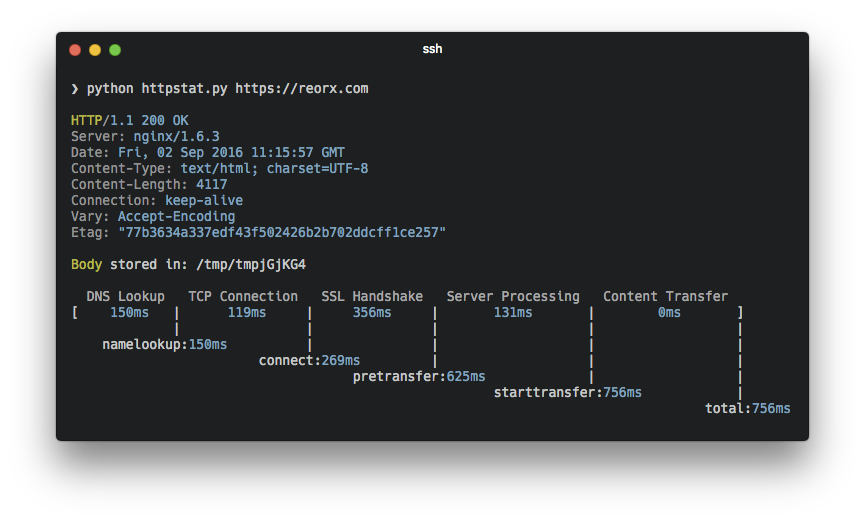
httpstat visualizes curl(1) statistics in a way of beauty and clarity. It is a single file🌟 Python script that has no dependency👏 and is compatible with Python 3🍻. Installation through PiP or HomeBrew: pip install httpstat brew install httpstat Once installed through one of those, you can directly call httpstat: httpstat https://www.bram.us/ httpstat – curl …

Great talk by Stéphanie Walter (starting at 39:00): With practical examples, I show why certain animations work better than others and how to find the best timing and duration to build UI animations that “feel right”. I explain how our brain works, why and how animations contribute to improving user experience. And what you need …
Continue reading “Enhancing User Experience With CSS Animations”
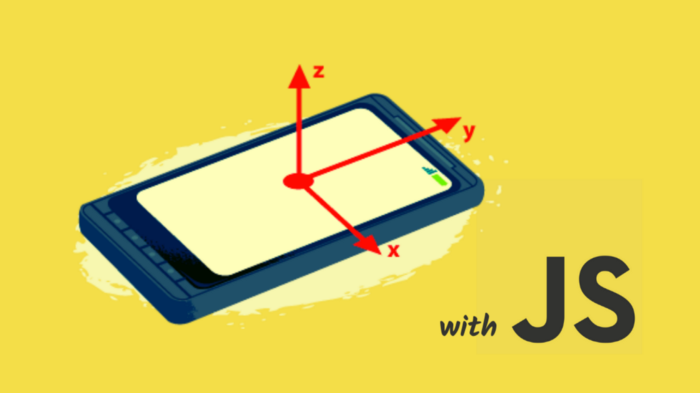
Sanjeet Chatterjee built this nice demo where your smartphone can act as a virtual pointer for a webpage. With a fundamental shift to the web, we are able to do really cool things right from our browser. In this tutorial, we will be utilising the Generic Sensor API to turn your smartphone into a pointer …
Continue reading “Use your Smartphone to move a pointer on a remote page with JavaScript”