The Case for Tri-State Dark Mode Toggles

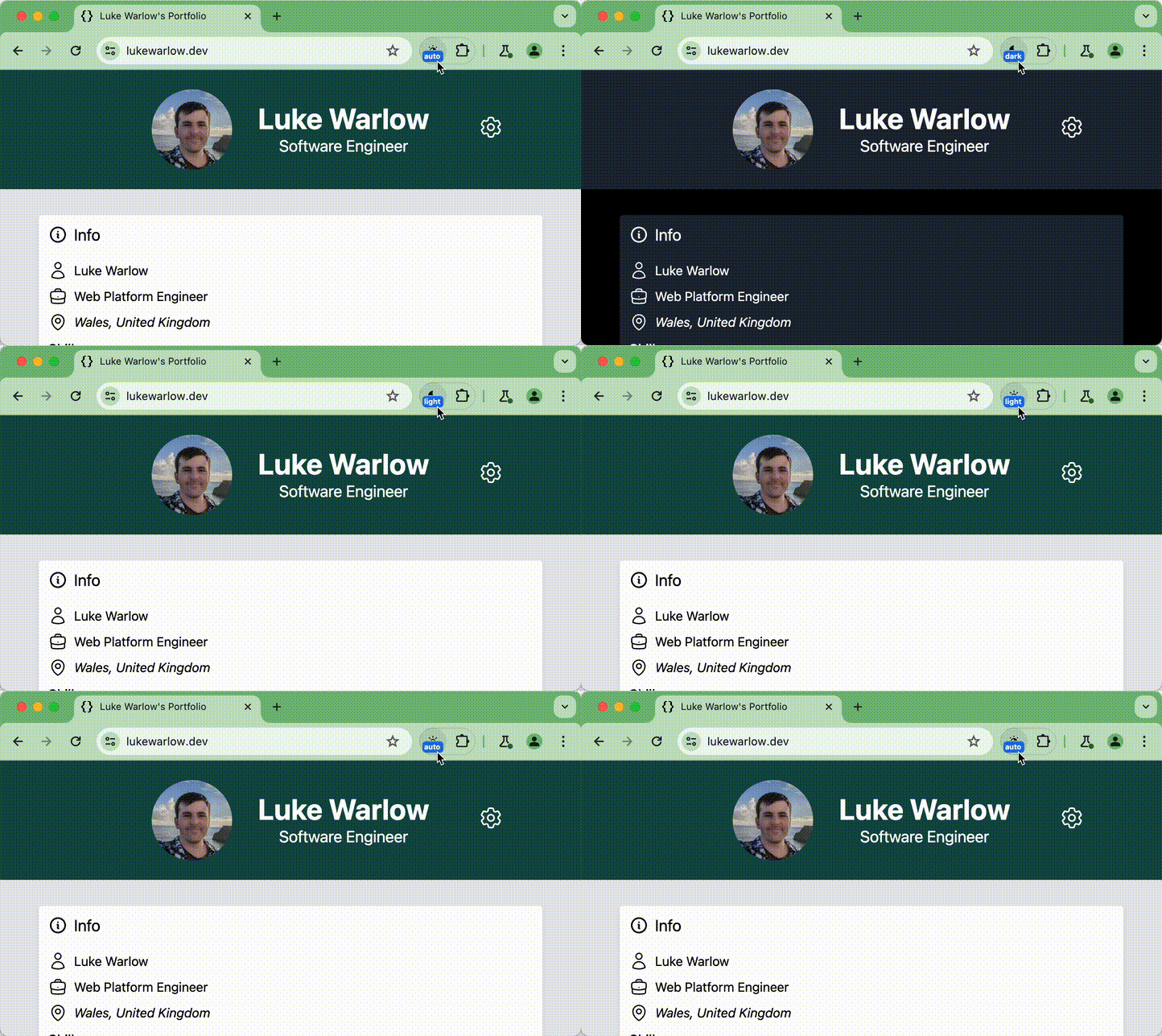
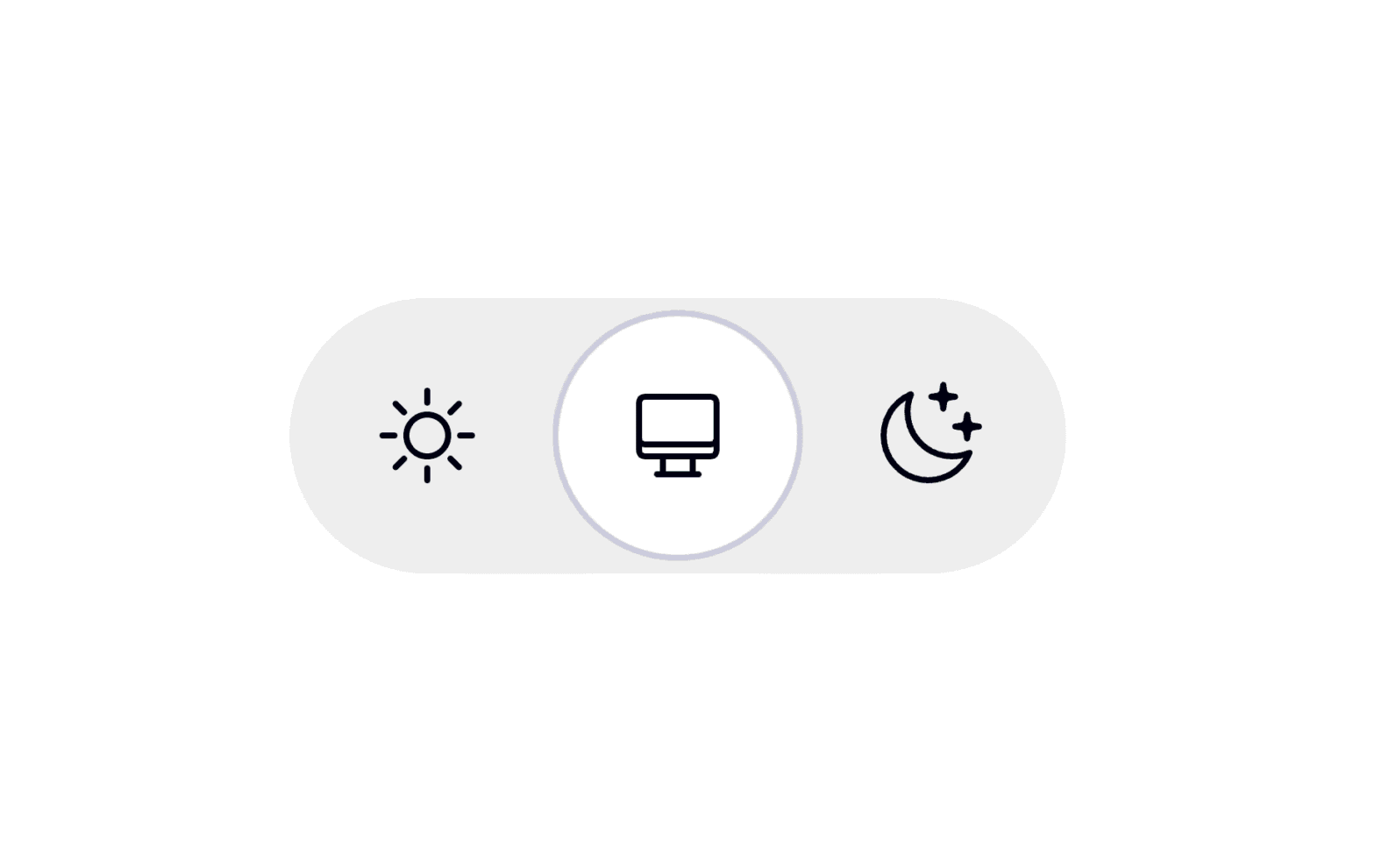
Adding a Dark Mode toggle to your website is a nice touch that many users appreciate. When implementing one, the default instinct for many developers is to reach for a simple binary switch: Light on one side, Dark on the other.

While a two-state control might seem like the most straightforward solution, I firmly believe it’s flawed from a user experience perspective. Instead, we should all be using tri-state controls. Let me explain why.
CSS color-scheme-dependent colors with light-dark()

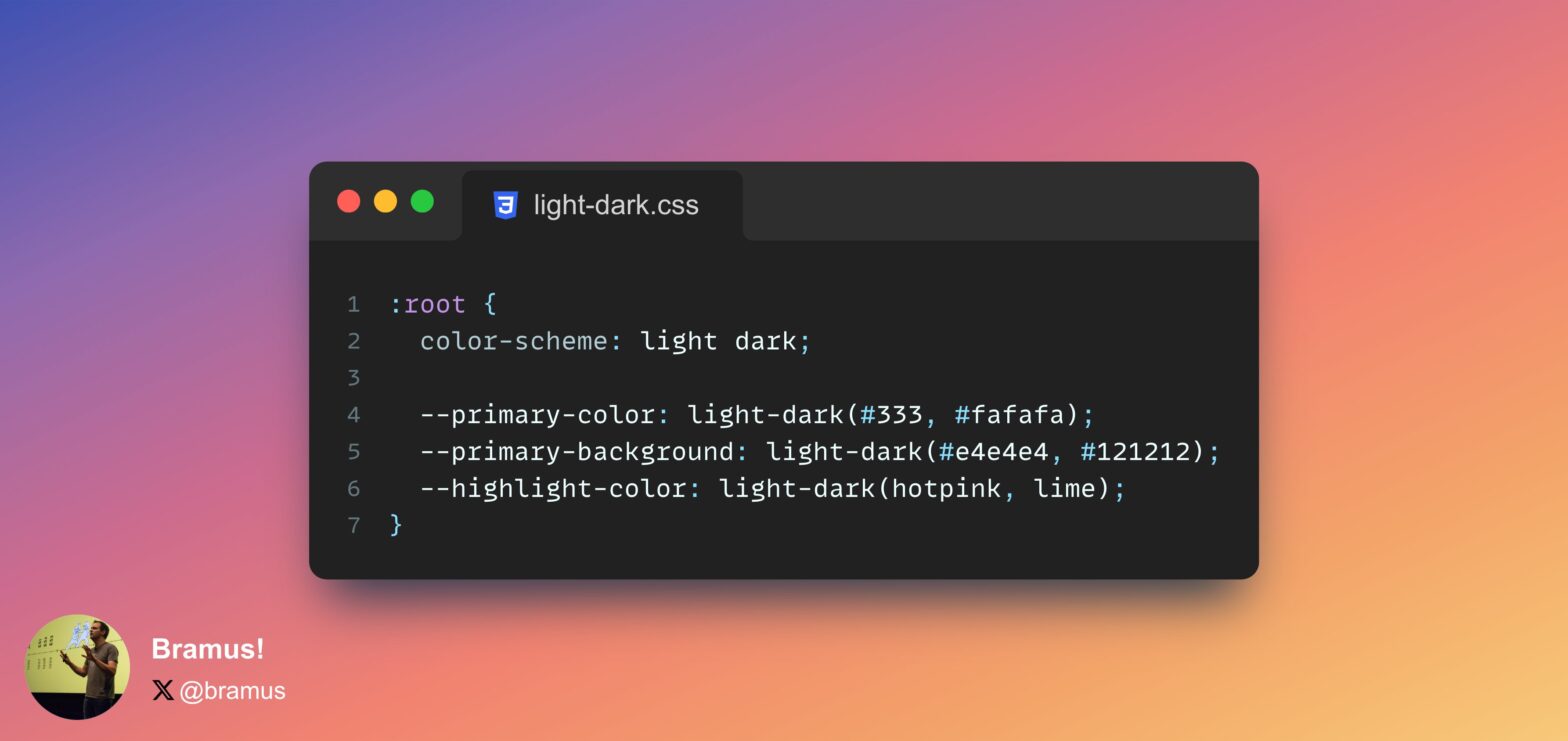
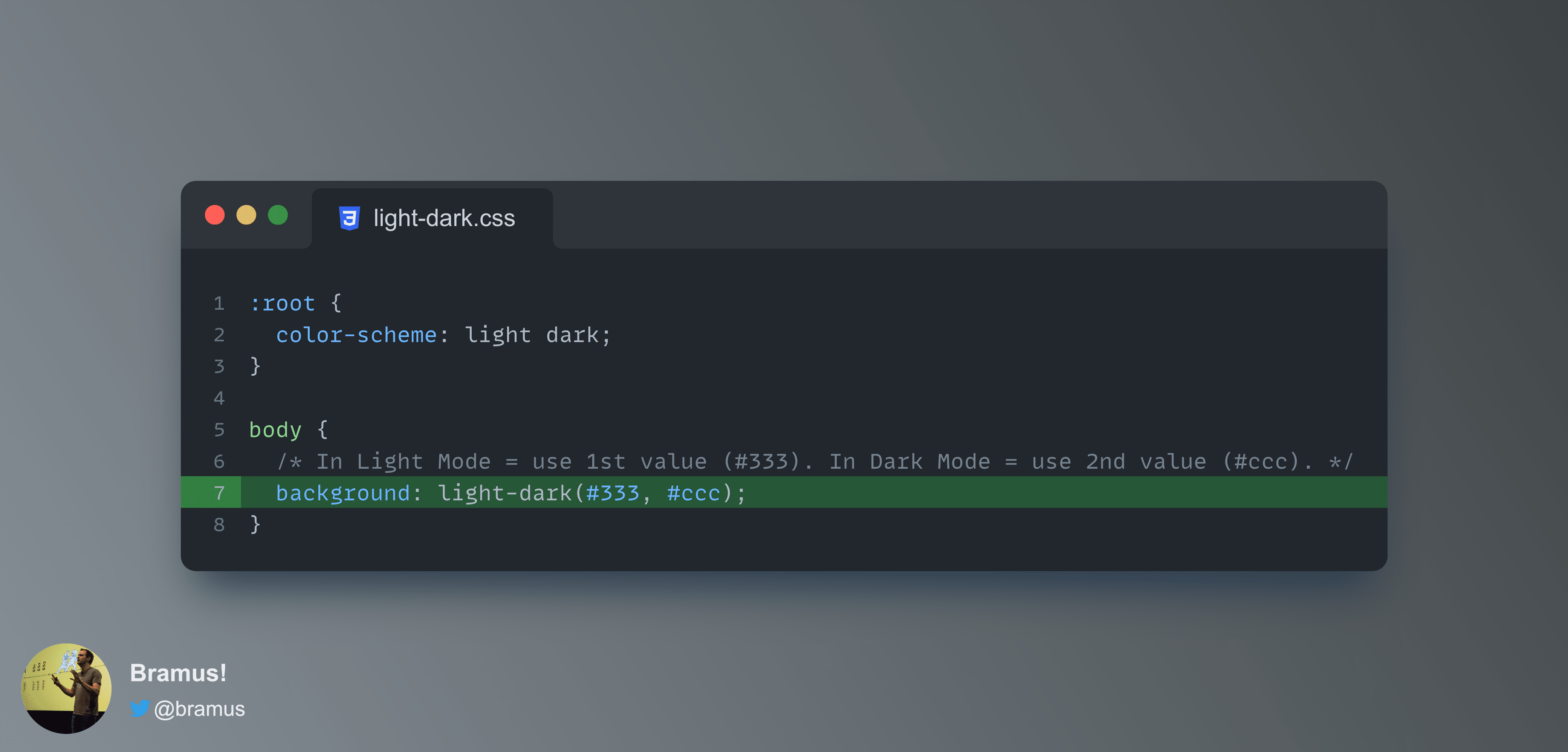
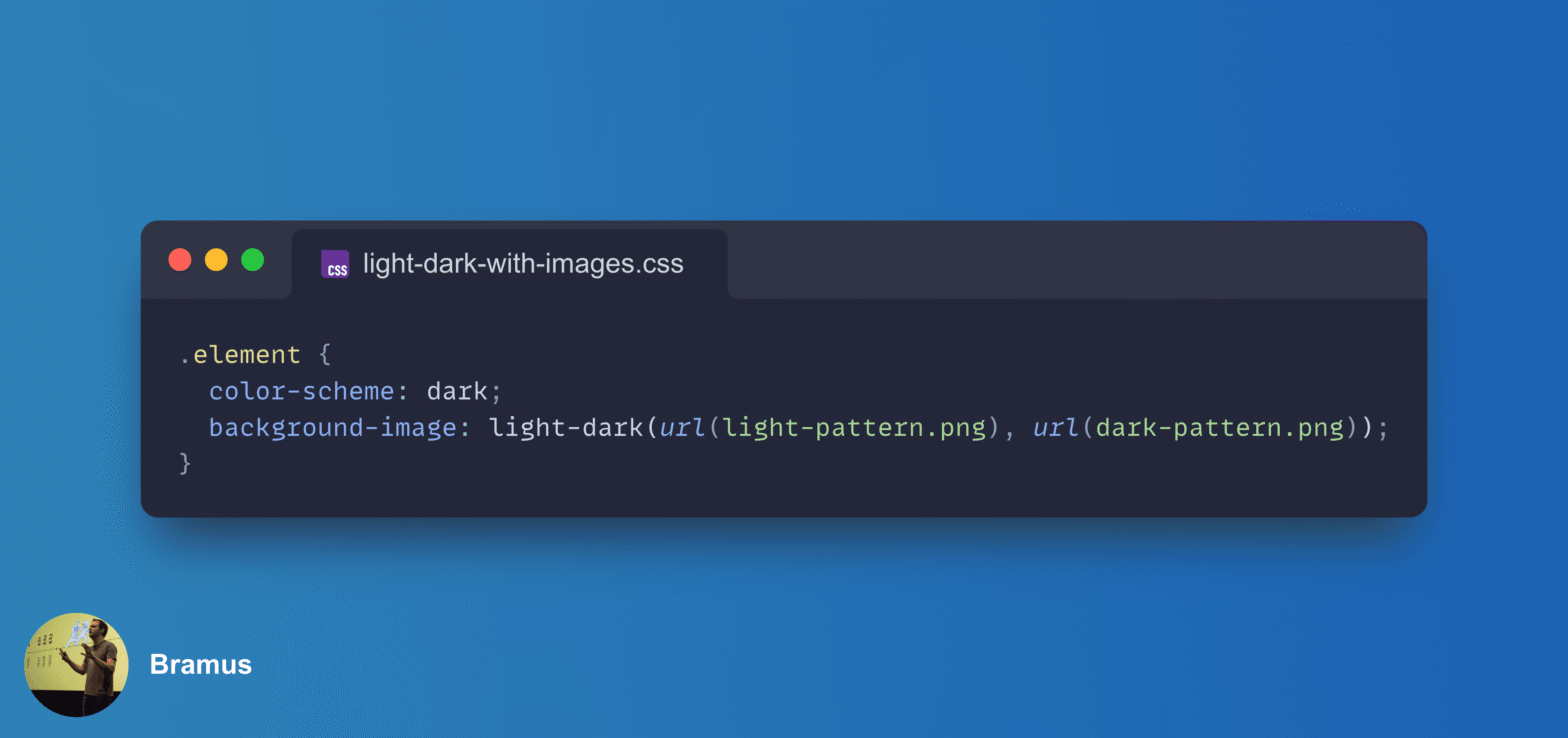
I’ve written about light-dark() before here on bram.us, and last month I also wrote an article for web.dev about it. The article takes a bit of a different approach, so it’s still worth a read even when you’ve seen my previous one before. System colors have the ability to react to the current used color-scheme …

Building an Adaptive SVG favicon that responds to Dark Mode

Speaking of favicons: In the latest episode of GUI Challenges, Adam details how to create an adaptive favicon that responds to Dark Mode. SVG Favicons were introduced in Chromium 80 (2019) and Firefox 41 (2015). No support in Safari. Building an adaptive favicon → 🤔 On the WebKit Issue tracker I can find this RESOLVED …

Dark mode in 5 minutes, with inverted lightness variables

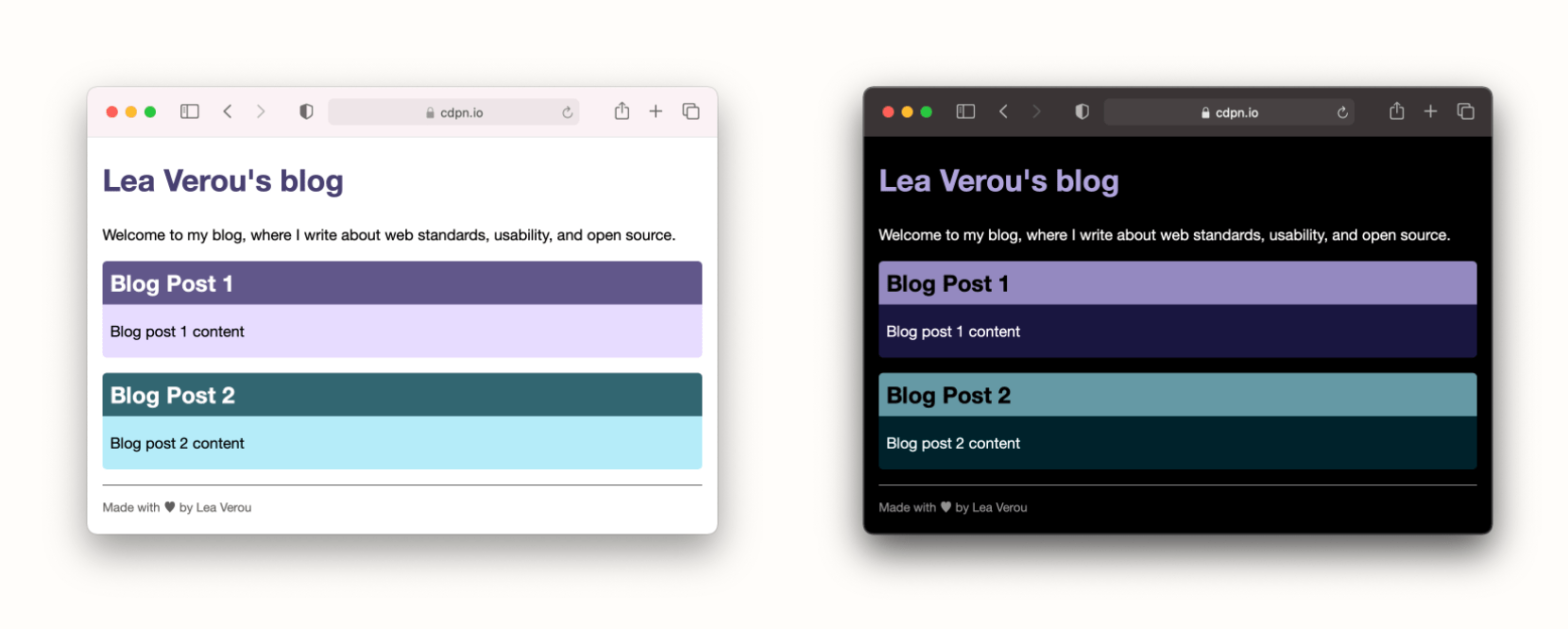
Lea Verou shows a method to implement dark mode, not by swapping entire colors, but by simply changing their lightness The basic idea is to use custom properties for the lightness of colors instead of the entire color. Then, in dark mode, you override these variables with 100% – lightness. This generally produces light colors …