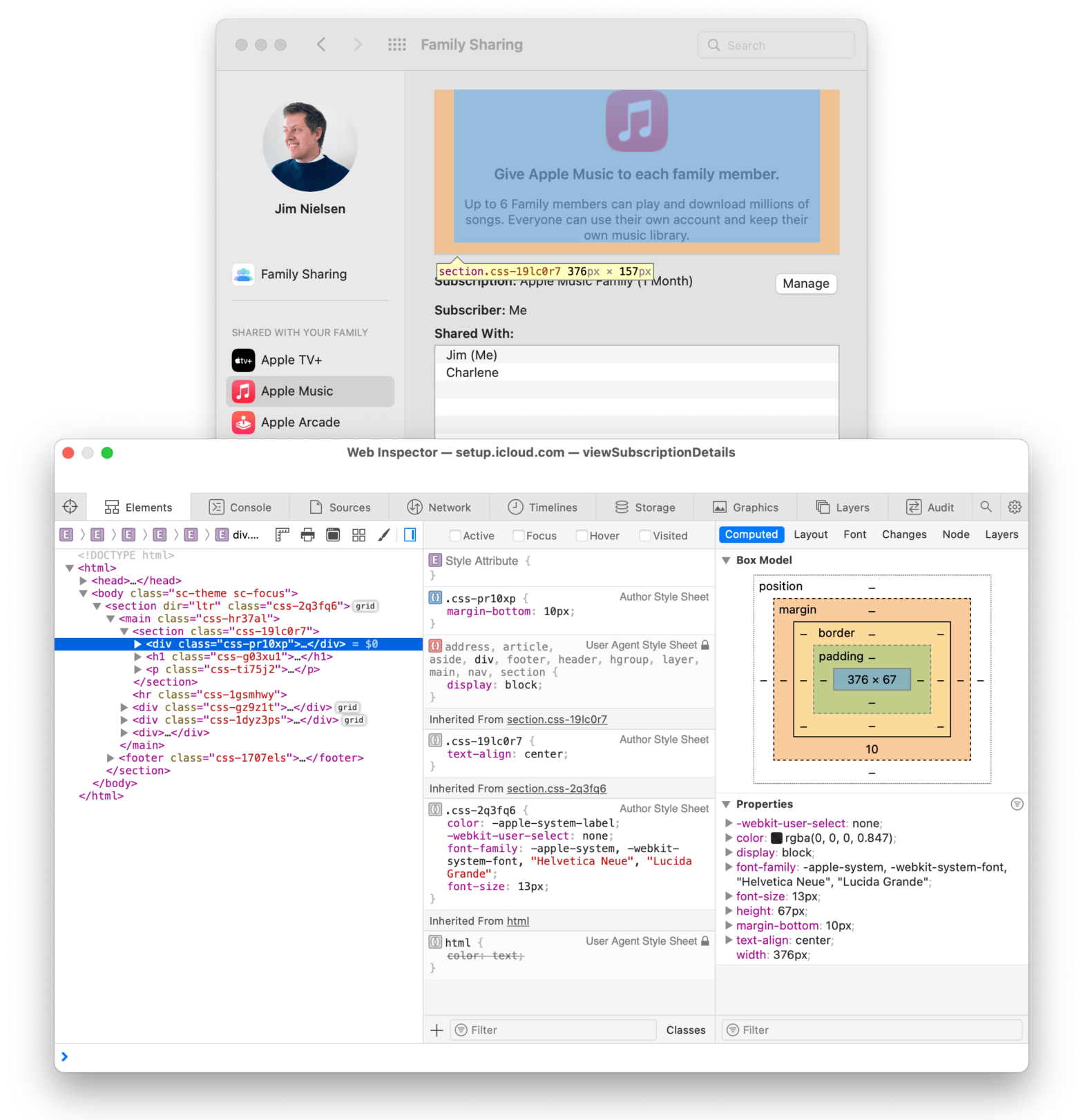
Some parts of the UI in macOS are powered by the web. Jim Nielsen shares how you can inspect these using Safari’s Web Inspector Inspecting Web Views in macOS →
A rather geeky/technical weblog, est. 2001, by Bramus
Some parts of the UI in macOS are powered by the web. Jim Nielsen shares how you can inspect these using Safari’s Web Inspector Inspecting Web Views in macOS →
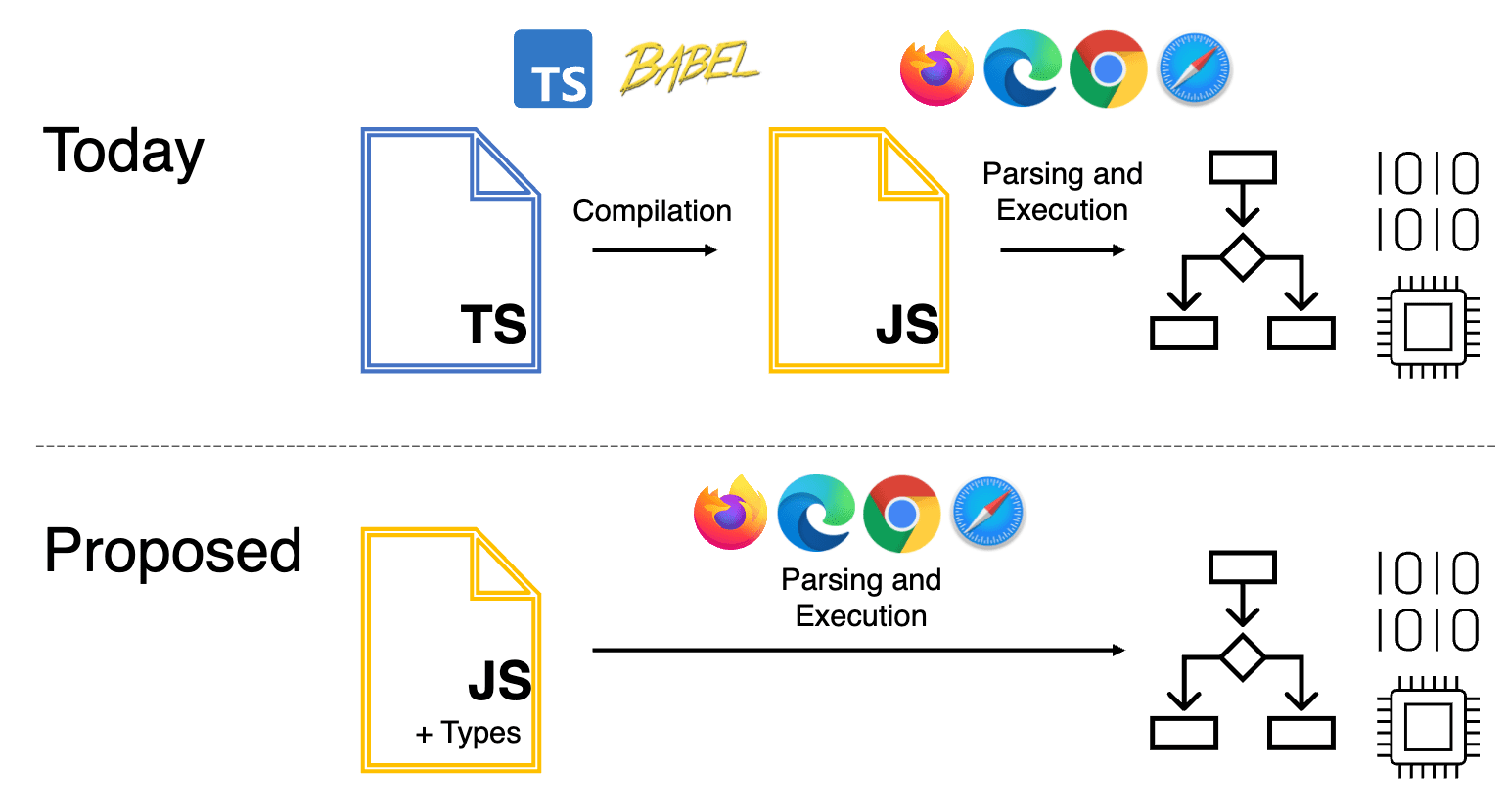
A very interesting Stage-0 proposal is to bring optional and erasable type syntax to JavaScript. The proposed syntax looks like this: function add(a: number, b: number) { return a + b; } The type hints wouldn’t be used by JS itself though — so you won’t get a runtime error if you pass something other …

Yesterday, Safari 15.4 got released, and it contains a ton of good stuff that we’ve seen land in the Technology Previews before. With over 70 additions to WebKit, Safari 15.4 is packed with new web technologies, updates, and fixes. We’ve assembled a huge release as part of our commitment to web developers, and the people …
OWA (Open Web Advocacy) is a group of software engineers from all over the world who have come together to advocate for the future of the open web by providing regulators, legislators and policy makers the intricate technical details that they need to understand the major anti-competitive issues in our industry and how to solve …

In addition to my talk “Embrace the Platform” at UX Ghent, James Gilyead and Trys Mudford from Clearleft also joined the meetup with a talk on Utopia. With Utopia you get to define the small- and large-screen layouts. All font sizes in between will be calculated by Utopia. Utopia →Meet Utopia: Designing And Building With …
Continue reading “Utopia – Elegantly scale type and space without breakpoints”

I joined the UX Ghent Virtual Meetup to talk about how authors should embrace the features the web platform gives them, building websites with the Progressive Enhancement mindset.
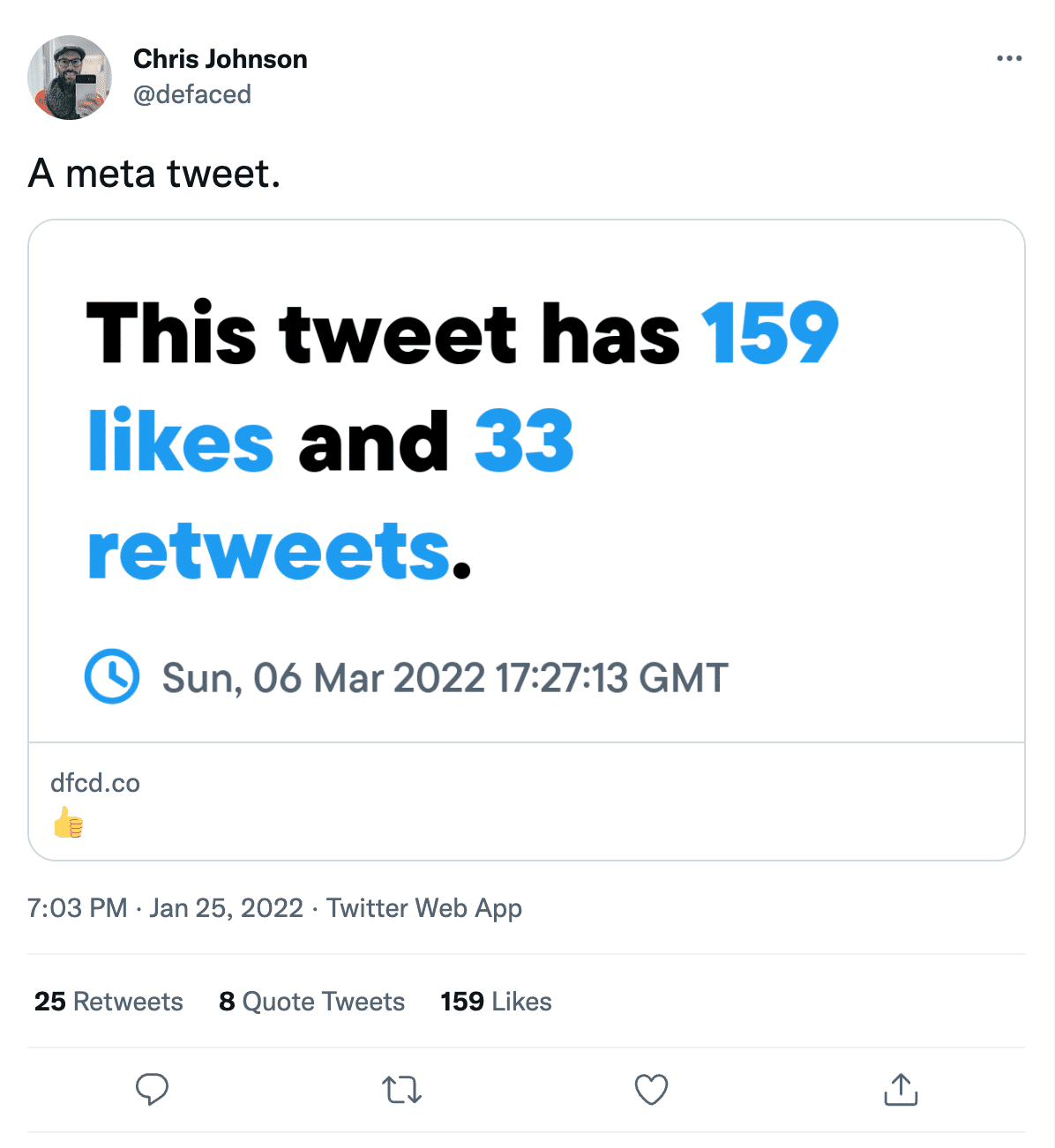
Check this tweet by Chris Johnson: it’s a tweet with a link whose preview image shows the actual number of retweets and likes for said tweet. A meta tweet.https://t.co/lvaYUszJaE — Chris Johnson (@defaced) January 25, 2022 Cool! In a later tweet, Chris shares how it’s done: How this works!👷♀️ A @Cloudflare worker responds to requests …
At JSWORLD Conference, Maarten van Hoof presented “Container queries, the next step towards a truly modular CSS” Modular, componentized frameworks and libraries are more popular than ever, but currently screen size is the only dimensional constraint to which a web design can adapt to. In this talk, Maarten will explain what Container Queries are and …
Continue reading “Container queries, the next step towards a truly modular CSS”
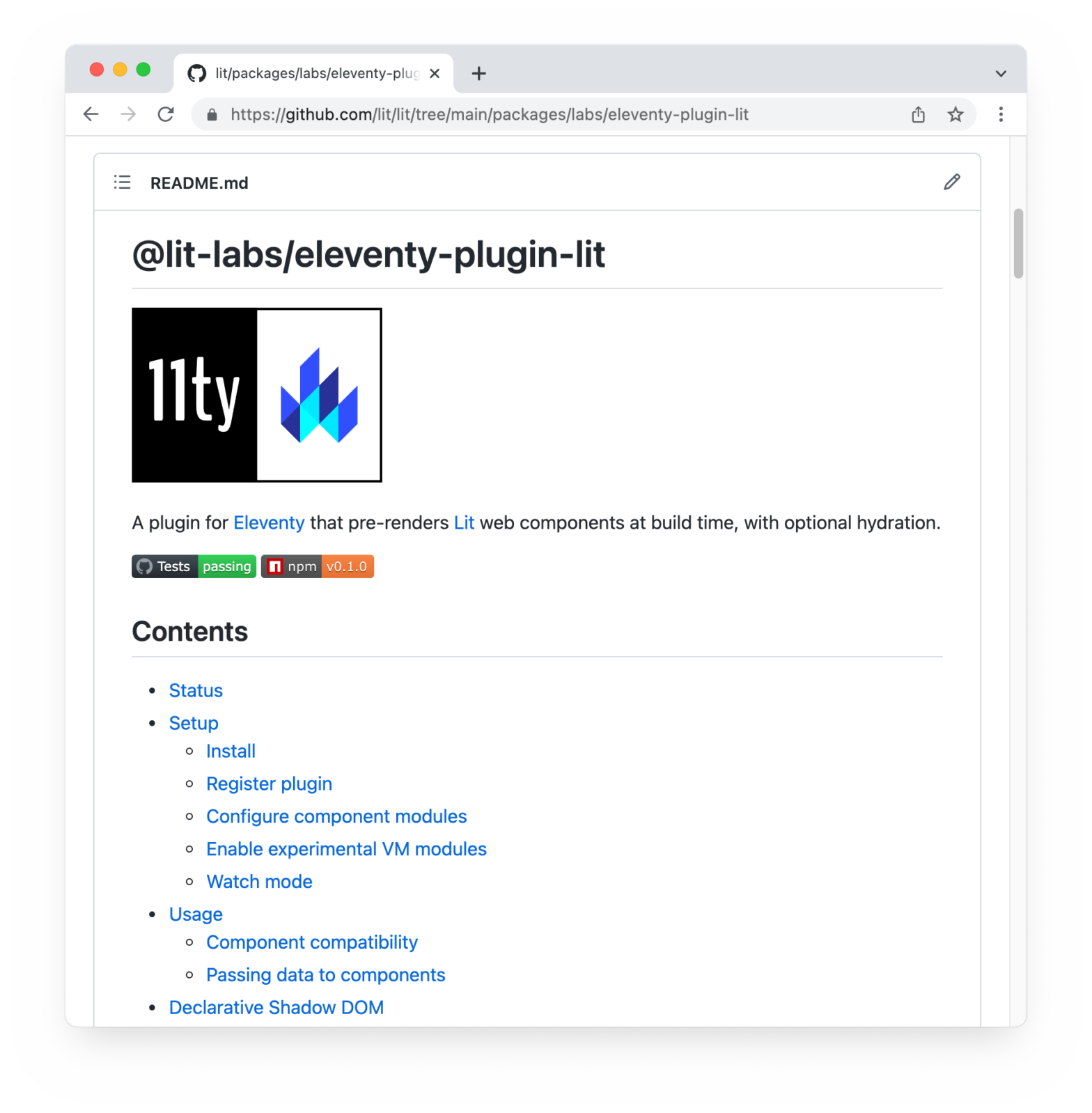
The Lit team is pleased to announce an experimental preview release of @lit-labs/eleventy-plugin-lit, a new plugin for Eleventy that renders your Lit components as static HTML during your Eleventy build, and lets you hydrate them after your JavaScript loads. This is pretty nice, as out comes Declarative Shadow DOM-compatible which Chromium-based browsers can render, while …
Continue reading “Eleventy plugin for static rendering of Lit components”
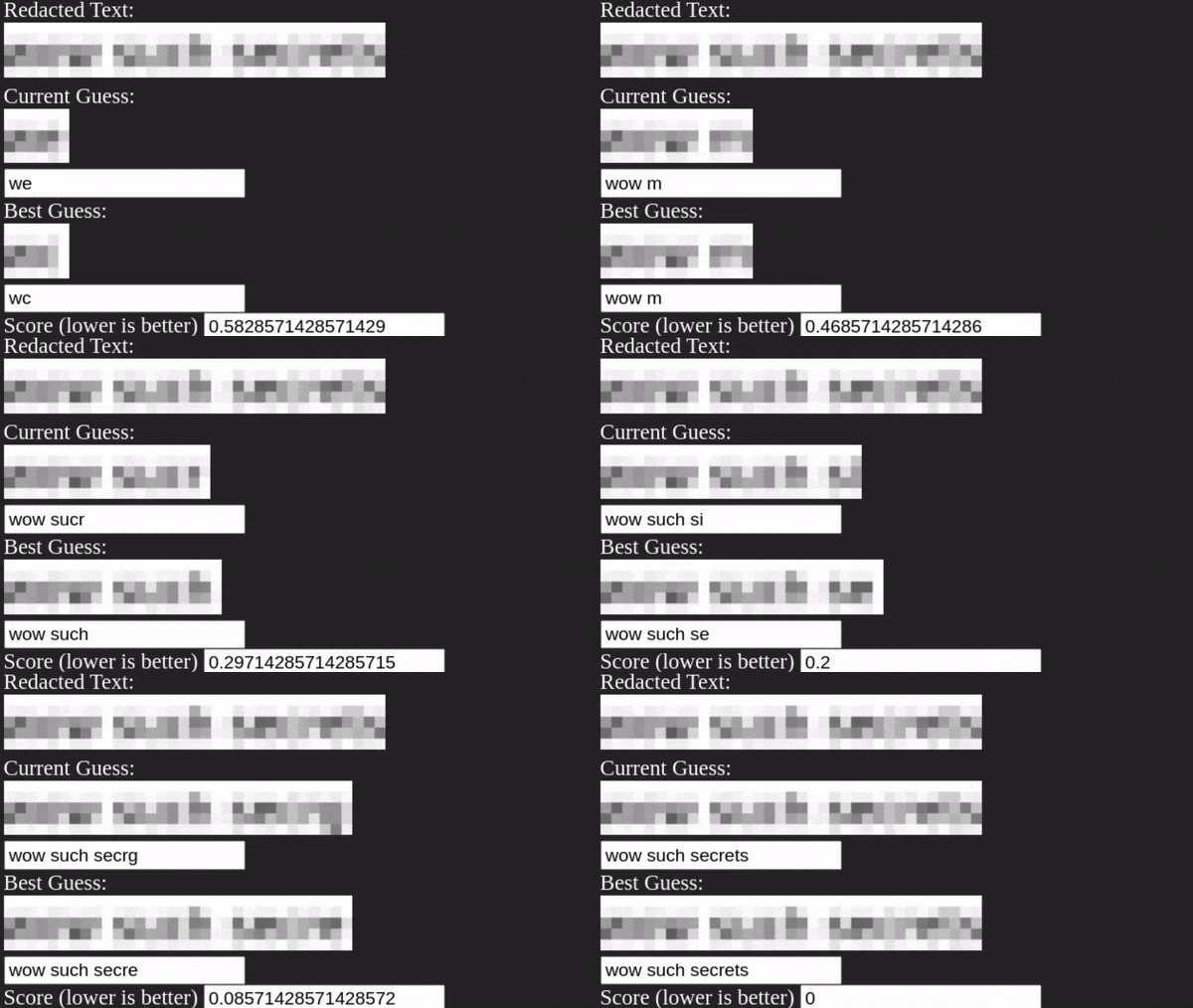
Unredacter shows you why you should never ever ever use pixelation as a redaction technique. As mentioned in the accompanying write-up: The bottom line is that when you need to redact text, use black bars covering the whole text. Never use anything else. No pixelization, no blurring, no fuzzing, no swirling. unredacter (GitHub) →Never, Ever, …
Continue reading “Decipher pixelated images with unredacter”