The State of CSS 2019

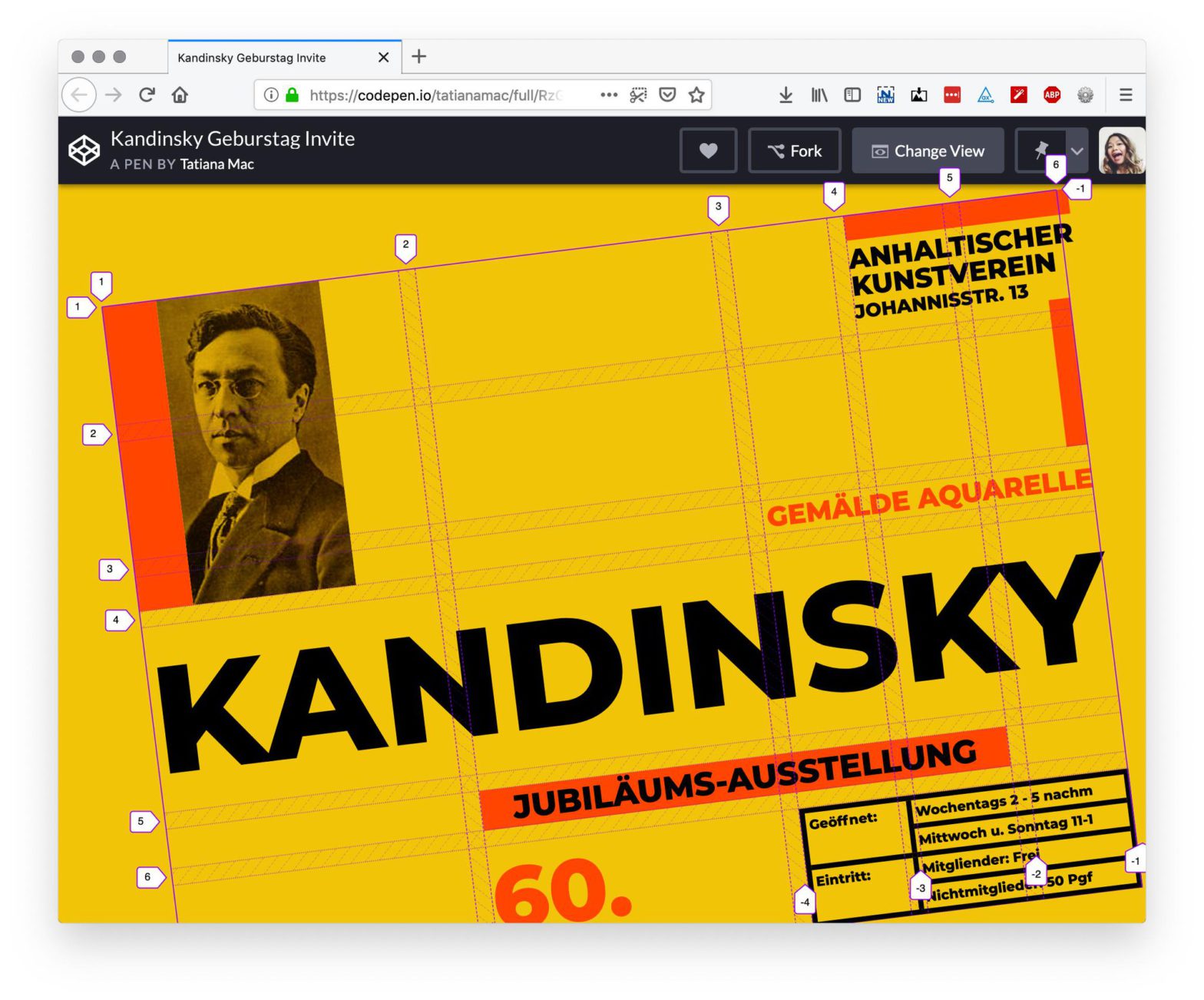
Despite being over 20 years old, there’s signs that CSS might be going through the same tumultuous teenage years that JavaScript just went through. Flexbox! Grid! CSS-in-JS! In 2019, CSS is finally dyeing its hair pink and getting a tattoo just like it’s always secretly wanted. Parenting books won’t help much with this one, but …

Typed Properties in PHP

As mentioned before I’m really looking forward to Typed Properties that will land in PHP 7.4 (now in alpha!). Brent has done a full writeup on ‘m: In this post we’ll look at the feature in-depth, but first let’s start by summarising the most important points: They are available as of PHP 7.4, which is …

Chart Design Guidelines at City Intelligence

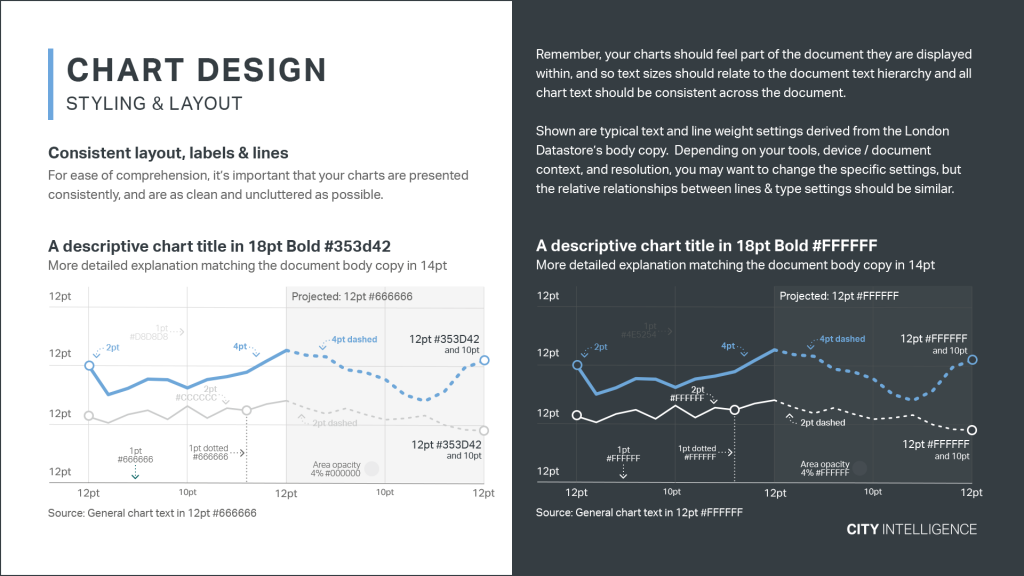
At the City Intelligence unit at City Hall almost anyone can create a data visualisation. To keep everyone in line they created Data Design Guidelines: Effective communication of evidence and data through information design and data visualisation, is obviously important to help inform policy internally, but it is also just as important to help boroughs …

Steve Schoger | Refactoring UI — Tips and tricks to make a site visually more interesting

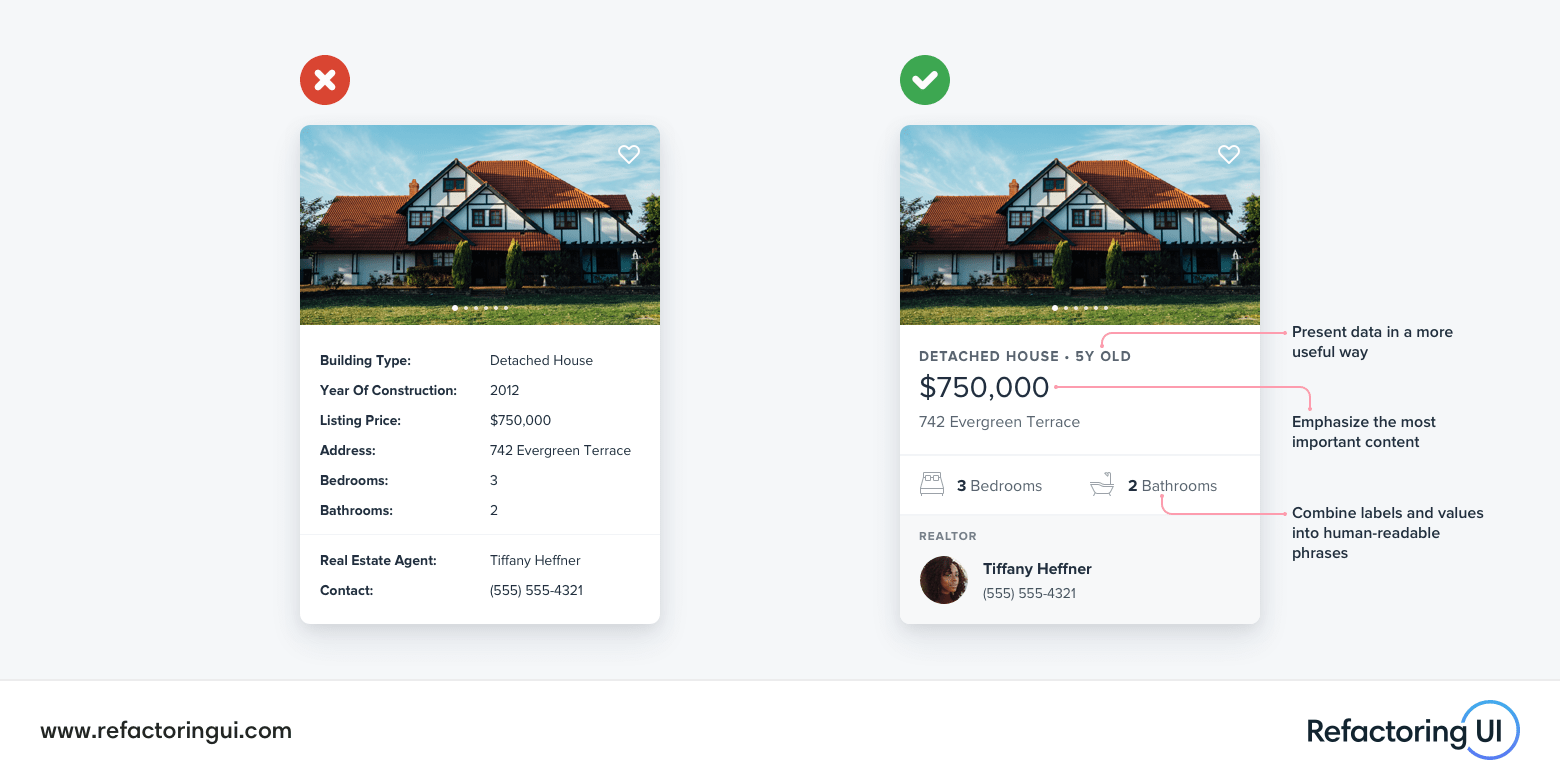
As seen at the most recent CSS Day. I’m quite sure this will help many developers to make their POCs/experiments visually more interesting: Sometimes when we look at a polished interface we can acknowledge that it looks good but it’s hard to articulate why it looks good. In this practical session, Steve will be explaining …

Google Street View is a Time Capsule

Recently the Google Street View footage for the area I live in got updated. This got me thinking: Google Street View is a time capsule. I’m quite sure that one day we’ll be able to time travel through the captured footage. GooBing Detroit is a project compares old and new GSV footage from the Detroit …

Relearn CSS layout with “Every Layout”

As just announced (on stage) at CSS Day by Heydon himself: If you find yourself wrestling with CSS layout, it’s likely you’re making decisions for browsers they should be making themselves. Through a series of simple, composable layouts, Every Layout will teach you how to better harness the built-in algorithms that power browsers and CSS. …

Reducing motion with the <picture> element

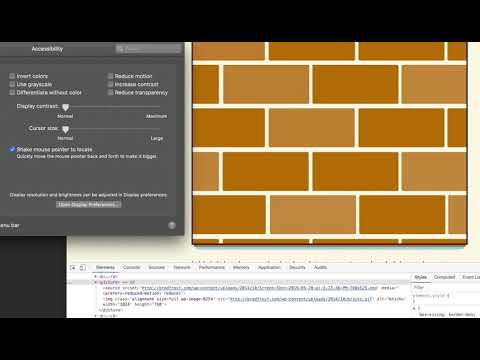
Great trick by Brad Frost, in which he combines prefers-reduced-motion? with the <picture> element <picture> <source srcset="no-motion.jpg" media="(prefers-reduced-motion: reduce)"></source> <img src="animated.gif alt="brick wall" /> </picture> Yes, that actually works! Reducing motion with the <picture> element → 💫 When taking prefers-reduced-motion into account in your CSS code, it becomes really powerful when combined with CSS Custom …

Ungoogled Chromium is Google Chrome, but without Google

If you’re not too fond of Google but do want a Chromium-based browser that is as close to Google Chrome as it can be (along with some extras), be sure to check out Ungoogled Chromium: ungoogled-chromium is Google Chromium, sans dependency on Google web services. It also features some tweaks to enhance privacy, control, and …