
If you’re looking for a quick rundown of the aforementioned AlpineJS, here’s a talk by AlpineJS’s author Caleb Porzio which he presented at JSNation:
A rather geeky/technical weblog, est. 2001, by Bramus
If you’re looking for a quick rundown of the aforementioned AlpineJS, here’s a talk by AlpineJS’s author Caleb Porzio which he presented at JSNation:
leading-trim – The Future of Digital Typesetting
Ethan Wang, who works at Microsoft: In a standard text box, there’s almost always extra space above and below the actual text. Because of this, when you use a text box to measure and implement spacing, it ends up larger than you intended. The bigger the line height, the bigger the problem. You can see …
Continue reading “CSS leading-trim – The Future of Digital Typesetting”

David Shayer, who was an iPod Software Engineer – the 2nd one they hired for the iPod project when it started in 2001 – back in the day: It was a gray day in late 2005. I was sitting at my desk, writing code for the next year’s iPod. Without knocking, the director of iPod …
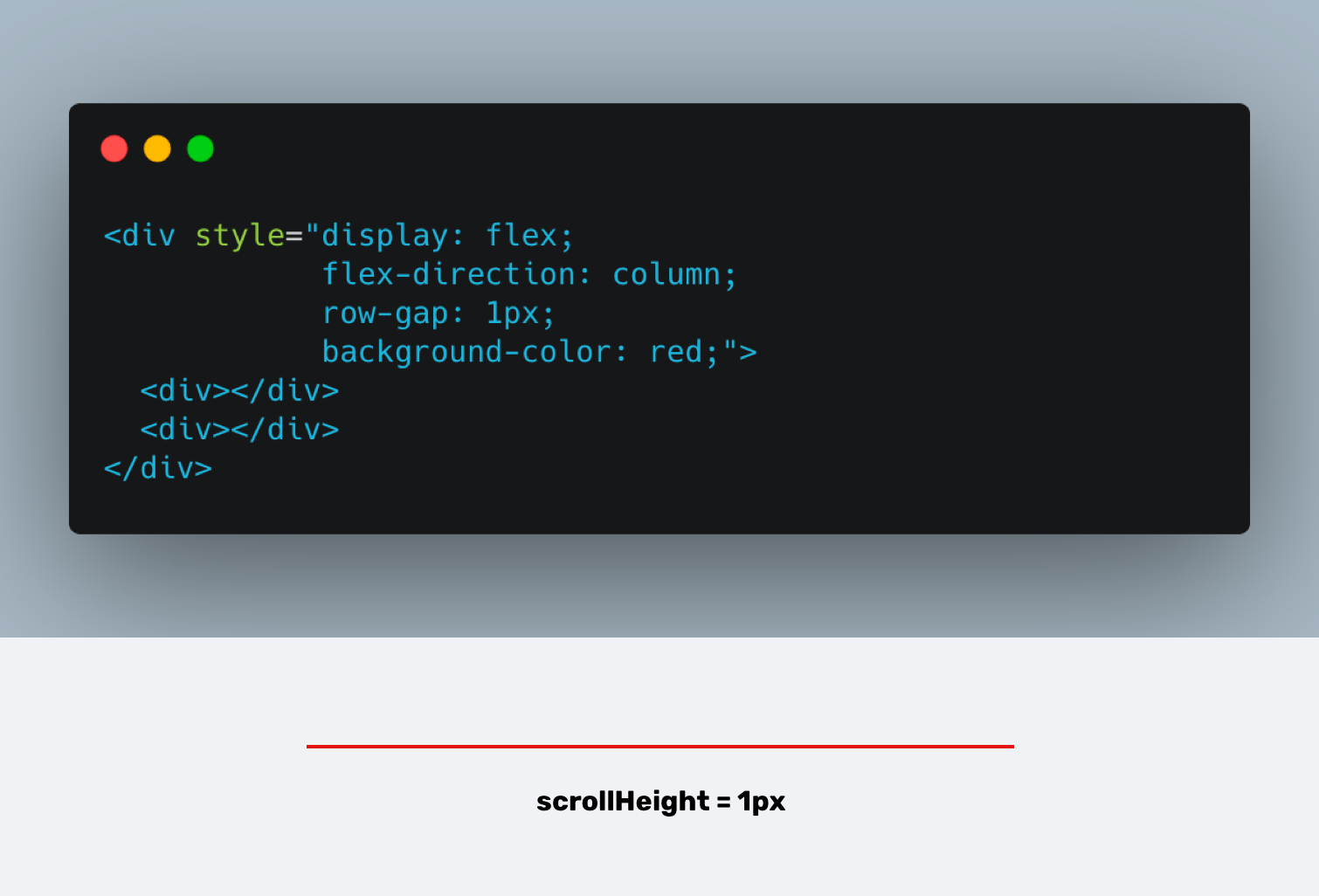
In my post on Flexbox Gap I wanted to feature detect support for it using @supports. That however failed. As I then noted: In the demo above I wanted to show a warning in browsers that don’t support flexbox gap. For that I tried using @supports, which has proven to be successful before. .warning { …
Continue reading “Feature Detecting CSS Flexbox Gap Support”

Hidde recently gave a talk at CSS Café on the origins of CSS: It’s been 25 years since the first people proposed a language to style the web. Since the late nineties, CSS lived through years of platform evolution. The cascade, specificity and the enormous choice in values and units set the language up for …
Continue reading ““On the origin of cascades“, a talk by @hdv on how CSS came to be”

The folks at Tighten: In this post, I’ll present some strategies we use at Tighten to convert legacy apps to Laravel gradually over time, without needing to perform a full rewrite. Whether you’re upgrading from an old framework or moving to a framework for the first time, following these steps will let you start benefitting …
Continue reading “Legacy to Laravel: How to Modernize an Aging PHP Application”
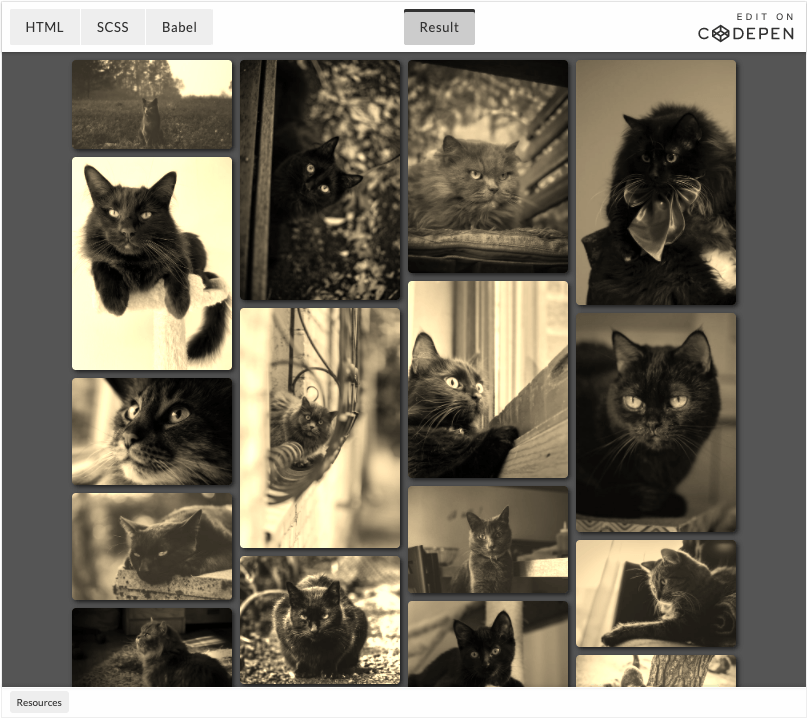
With Masonry being specced in Grid Layout Module Level 2 – and already being implemented in Firefox – Ana Tudor looked into whipping up a lightweight fallback for browsers that don’t support it. 🤔 Masonry Layout? Masonry is a grid layout based on columns, as popularized by Pinterest. Unlike other grid layouts, it doesn’t have …
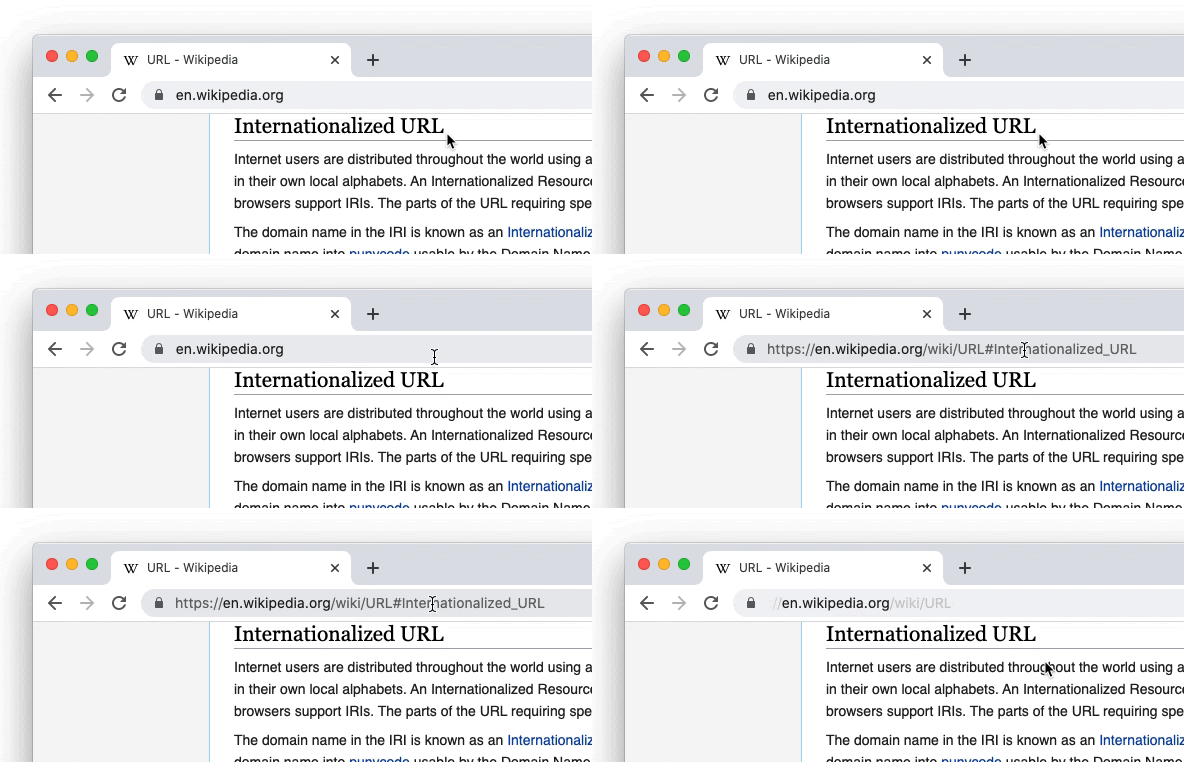
In Chrome 86, we’re going to experiment with how URLs are shown in the address bar on desktop platforms. Our goal is to understand — through real-world usage — whether showing URLs this way helps users realize they’re visiting a malicious website, and protects them from phishing and social engineering attacks. A shame they didn’t …

Lea Verou on how Optional Chaining affected her code, along with caveats and scenarios where it couldn’t be used. Now that optional chaining is supported across the board, I decided to finally refactor Mavo to use it. This is a moment I have been waiting for a long time, as I think optional chaining is …
Continue reading “Refactoring optional chaining into a large codebase: lessons learned”
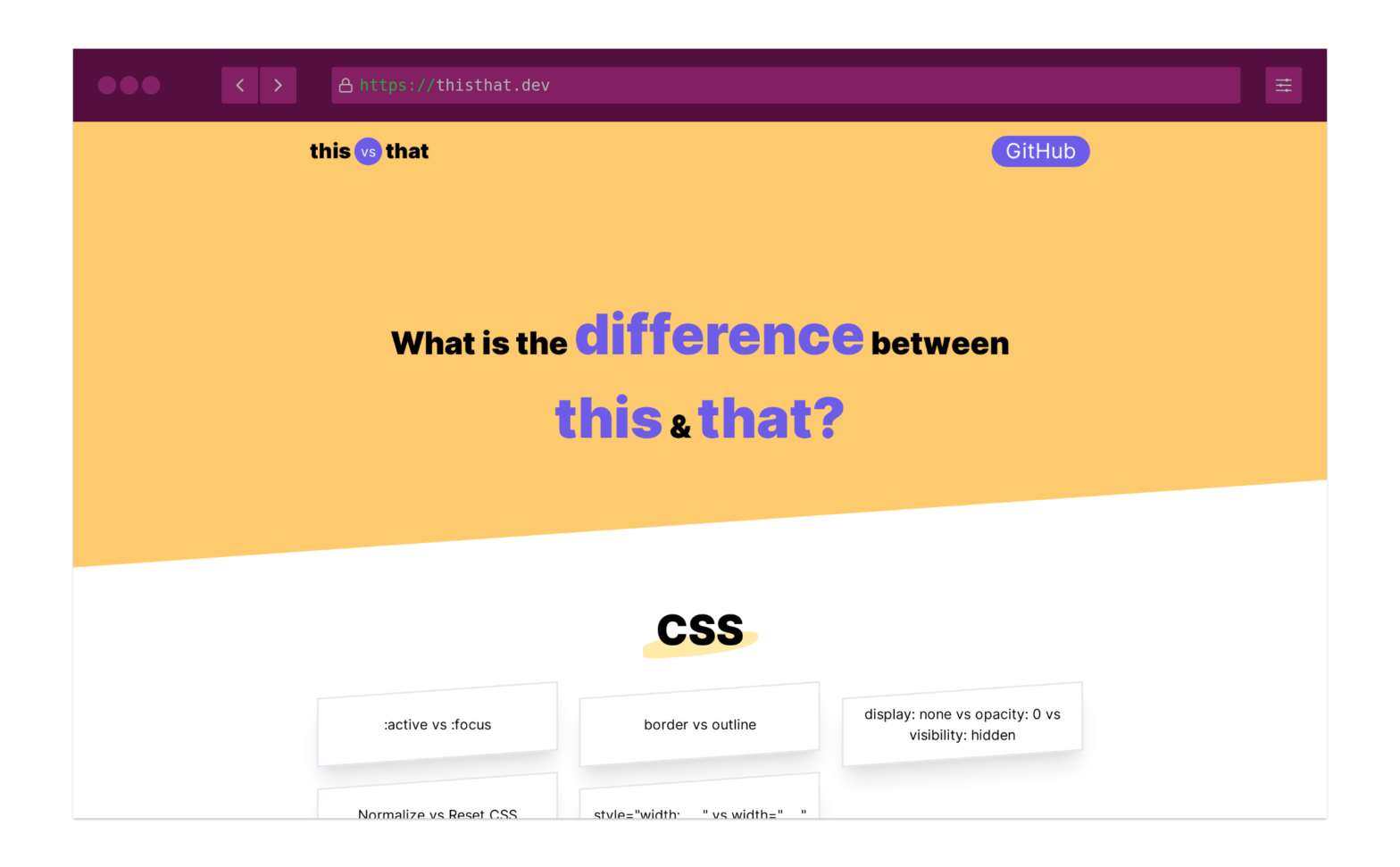
Great site that explains the difference between not-so-different frontend terms. Think of things like: CSS display: none; vs [hidden] DOM currentTarget vs target HTML alt vs title … this vs that &rarr