Rebuilding our tech stack for the new Facebook.com

The Facebook Engineering Team on how they’ve built the new Facebook.com – a version which I’ve been able to try for nearly two months by now. Throughout the process, we anchored our work around two technical mantras: As little as possible, as early as possible. We should deliver only the resources we need, and we …

Stop Using Objects as Hash Maps in JavaScript

Photo by Steve Johnson on Unsplash A map is one of the most frequently used data structures in daily programming. It keeps key-value pairs that can easily be accessed by their keys. In JavaScript, it is quite convenient to just use a plain object for that purpose. But there is a built-in data structure in …

Second-guessing the modern web

An article that’s been making rounds on Twitter today is Second-guessing the modern web: There is a sweet spot of React: in moderately interactive interfaces. Complex forms that require immediate feedback, UIs that need to move around and react instantly. That’s where it excels. But there’s a lot on either side of that sweet spot. …

How are Docker Layers bundled into Docker Images?

It’s impossible to work with docker containers without docker images. In this post I want to talk about what makes docker images possible: the overlay filesystems. Interesting to know how things work behind the scenes. How are docker images built? A look into the Linux overlay file-systems and the OCI specification →

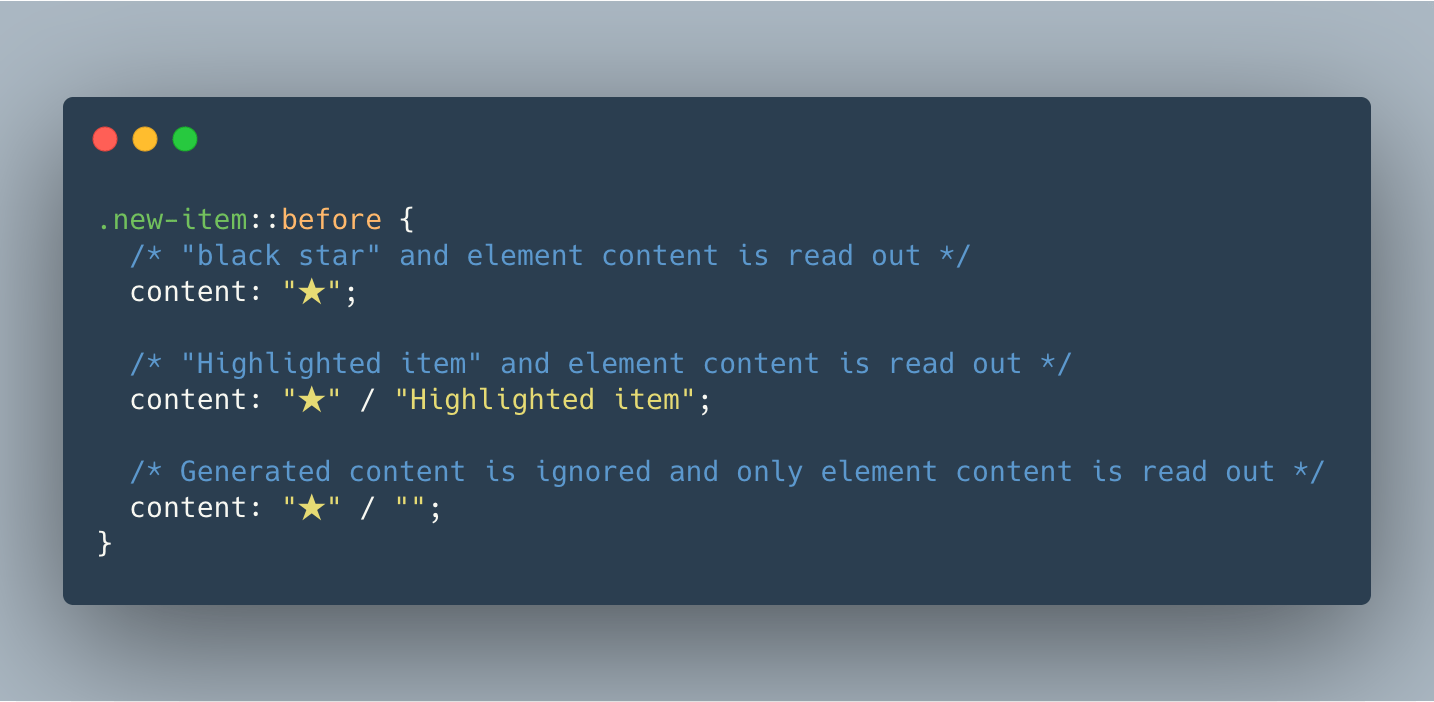
Alternative text for CSS generated content

Great find by Stefan Judis: Today I learned that the content property supports a way to define alternative text for generated content. You can specify the alternative content after a /: .new::before { content: url(./img/star.png) / "New!"; } Here’s how that works with screen readers: .new-item::before { /* "black star" and element content is read …

Automating Web Performance testing with Puppeteer

Nice work by Addy Osmani: Puppeteer is a Node library which provides a high-level API to control headless Chrome or Chromium over the DevTools Protocol. This repository has recipes for automating Web Performance measurement with Puppeteer. Automating Web Performance testing with Puppeteer →

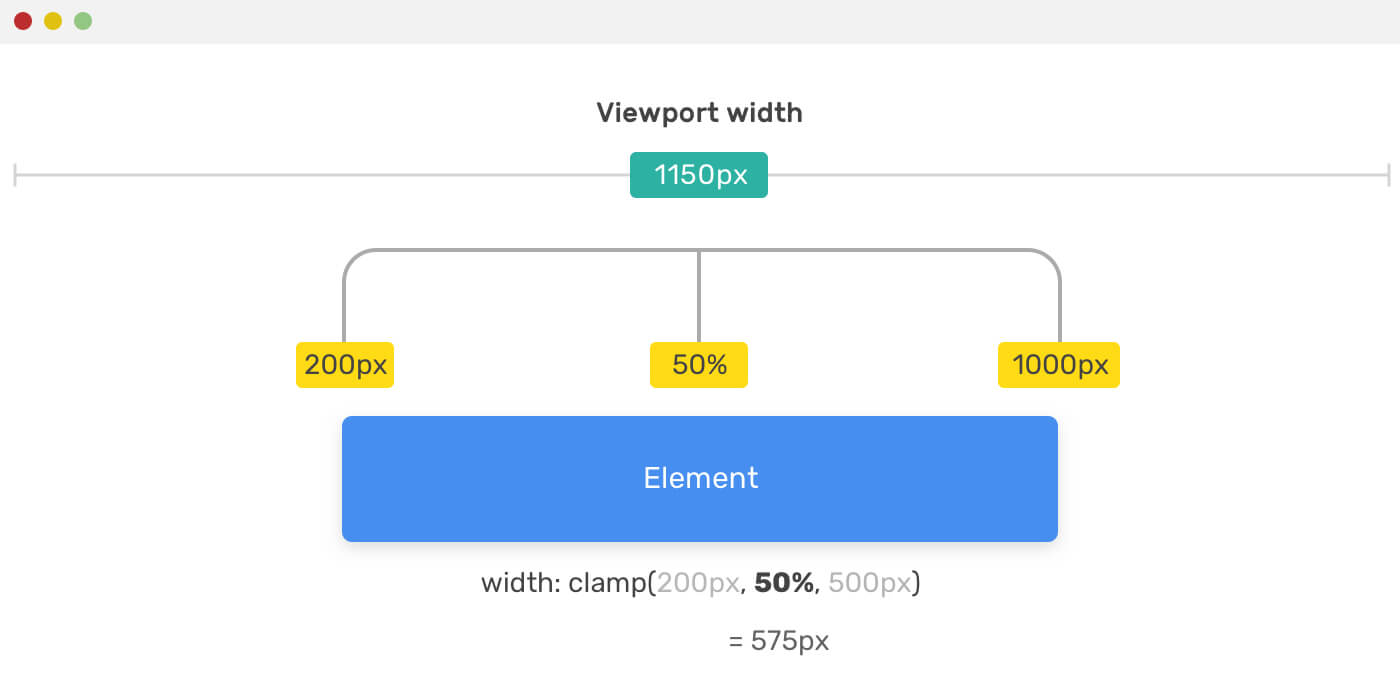
Everything I Learned About min(), max(), clamp() in CSS

Ahmad takes a look into the CSS min(), max(), and clamp() functions. As with all his articles, he also provides some practical use cases and examples. Regarding the clamping of the font-size of a page, you don’t really need clamp(): This is how to accessibly set a viewport relative scaling `font-size` with a min AND …

Sharing PHP-CS-Fixer Rules Across Projects and Teams

Tim MacDonald shares a way to sharing PHP-CS-Fixer rules across your projects. It involves in setting up on repo/package that contains the rules and a little helper class that takes in a PhpCsFixer\Finder instance (along with optional extra rules). <?php namespace TiMacDonald; use PhpCsFixer\Config; use PhpCsFixer\Finder; function styles(Finder $finder, array $rules = []): Config { …